
Concrete Foundations and Flatwork in Colfax, CA – Pruss Randy Excavation
Serving Colfax, CA and surrounding areas
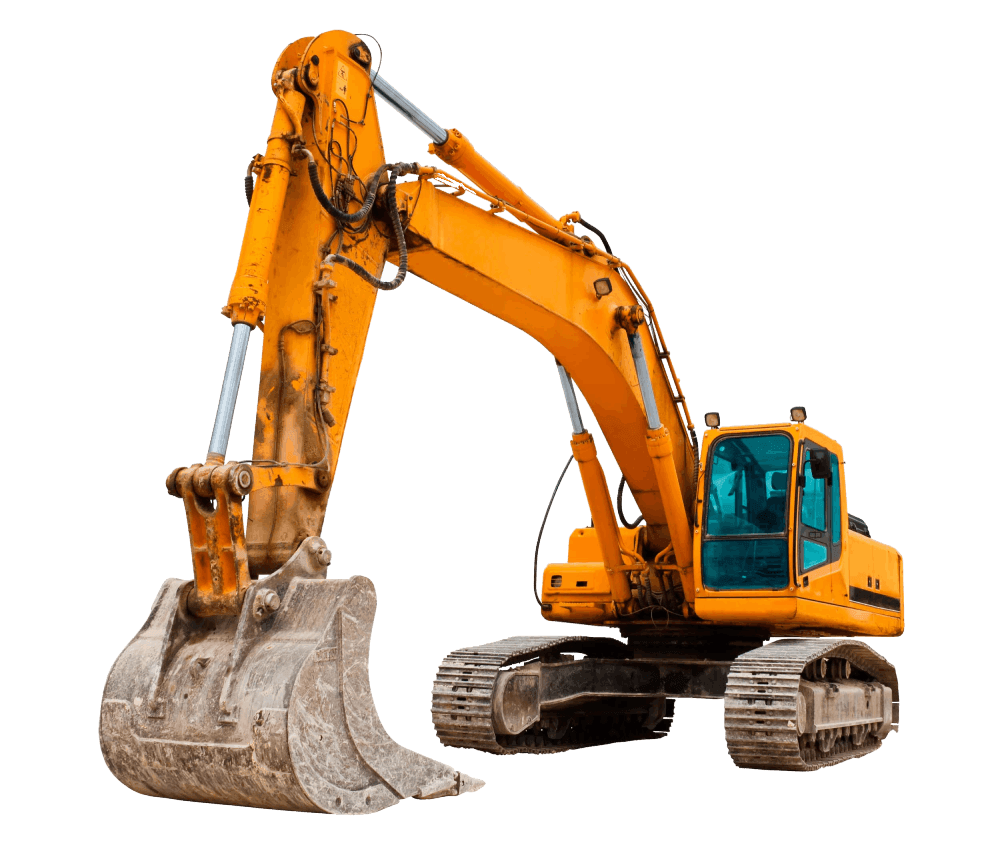
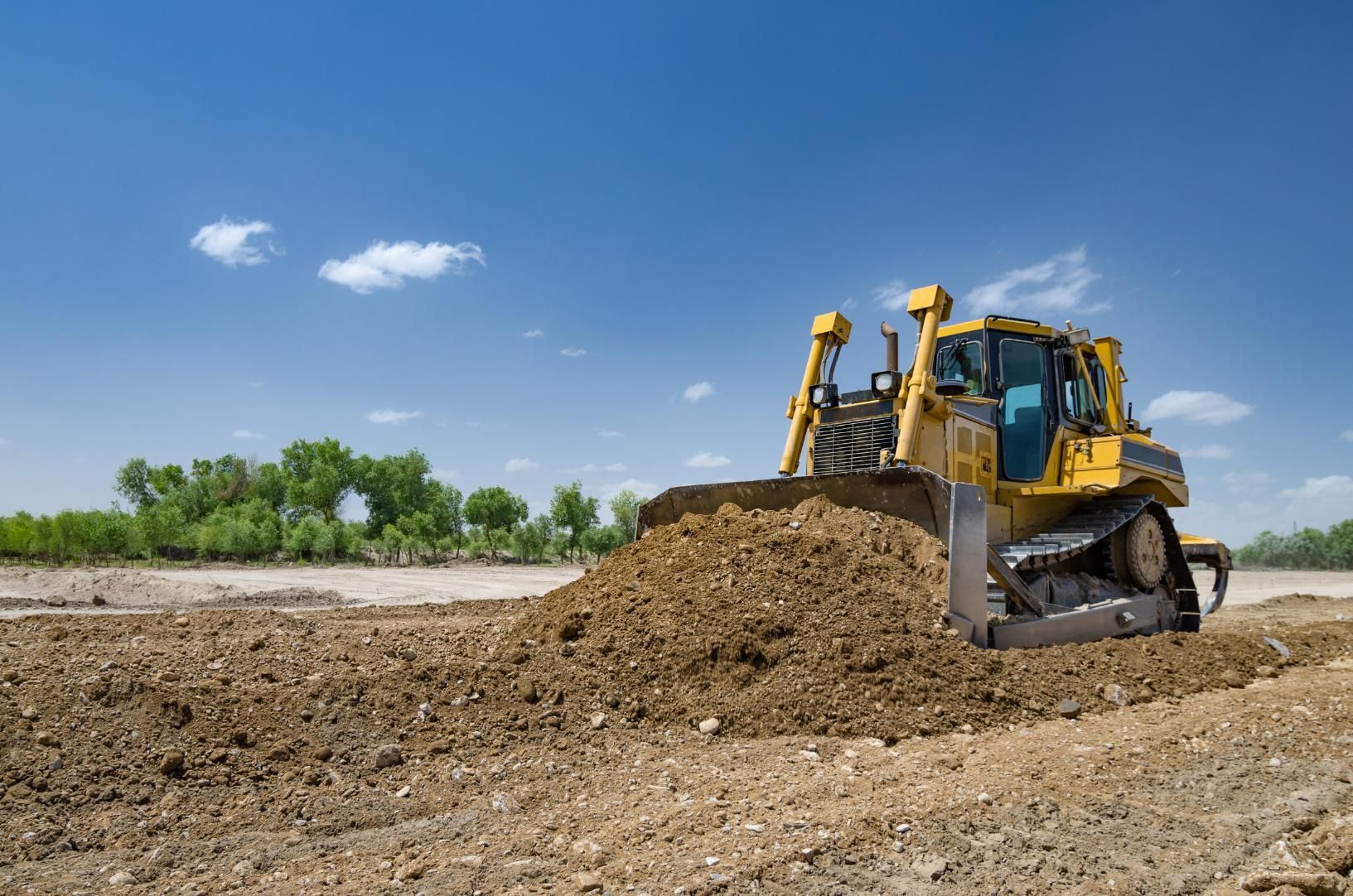
Overview of Concrete Foundations and Flatwork in Colfax, CA
Concrete foundations and flatwork in Colfax, CA require precise ground preparation to ensure long-term structural stability and surface durability. This type of work includes preparing subgrade areas for concrete slabs, driveways, patios, sidewalks, and structural foundations that support residential and commercial buildings. Pruss Randy Excavation focuses on the excavation and site preparation phase that makes concrete placement accurate, stable, and aligned with engineered specifications.
In Colfax, CA, terrain conditions often include sloped land, rocky soil layers, and uneven natural grades. These conditions require careful excavation and grading before any concrete is poured. Proper preparation ensures that concrete structures are supported evenly across the entire surface, reducing the risk of cracking, settling, or shifting over time.
Concrete flatwork and foundation preparation are closely connected, as both rely on a stable and properly compacted base. Without correct excavation and soil conditioning, even high-quality concrete can fail prematurely due to ground movement or improper support.
Site Preparation and Layout for Concrete Work
Before excavation begins, the site must be measured and prepared according to the intended concrete design. This stage ensures that all flatwork and foundation areas are accurately positioned.
Project Layout Marking
The outline of the concrete slab, driveway, patio, or foundation is marked on the ground. This includes defining edges, corners, and elevation points that guide excavation depth and shape.
Elevation Planning and Slope Design
The natural slope of the land is evaluated to determine how concrete surfaces will drain water. In Colfax, CA, proper slope design is essential to prevent pooling and surface damage over time.
Subgrade Depth Determination
Excavation depth is determined based on concrete thickness, reinforcement requirements, and soil conditions. This ensures that the final surface sits at the correct height and structural depth.
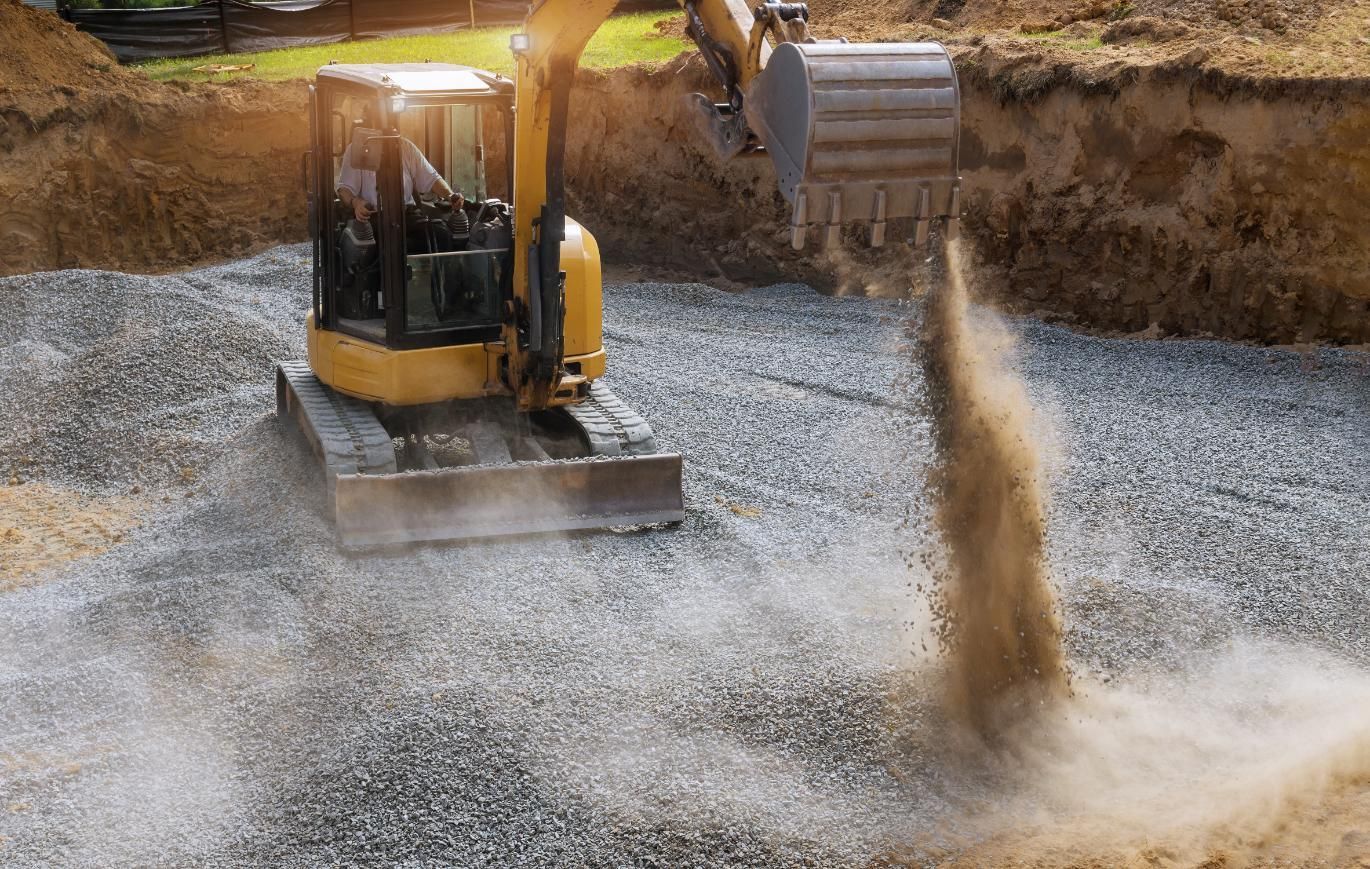
Excavation for Concrete Foundations and Flatwork
Once layout and planning are complete, excavation begins to create a stable base for concrete placement. This step removes unsuitable soil and establishes the correct depth for structural support.
Slab Area Excavation
For concrete slabs such as driveways, patios, and floors, the topsoil and unstable material are removed to reach a compactable subgrade layer. The excavation is shaped to match the final slab dimensions.
Foundation Excavation for Structural Concrete
Where concrete supports structural loads, deeper excavation is performed to accommodate footings and reinforced foundation systems. These areas are shaped according to engineered load requirements.
Edge and Boundary Shaping
The perimeter of the excavation is carefully formed to maintain clean edges and consistent dimensions. This helps ensure proper formwork installation and concrete containment.
Obstruction and Material Removal
Any rocks, roots, or buried debris encountered during excavation are removed to prevent interference with the concrete base. This step is especially important in rocky areas of Colfax, CA.
Subgrade Preparation and Soil Stabilization
After excavation, the exposed soil must be prepared to support the weight and structure of the concrete above it.
Soil Compaction and Density Control
The subgrade is compacted to increase stability and reduce future movement. Proper compaction is critical to prevent cracking or sinking in concrete surfaces.
Grading for Surface Uniformity
The base is leveled and shaped to ensure consistent support across the entire concrete area. This includes correcting low spots and smoothing transitions.
Moisture Conditioning of Subgrade
Soil moisture levels are adjusted when necessary to achieve optimal compaction. This ensures that the base material behaves predictably under load.
Preparation for Concrete Forms and Reinforcement
Once the ground is prepared, the site is readied for formwork and reinforcement installation, which define the final shape and strength of the concrete.
Formwork Support Preparation
The excavated edges are shaped to support wooden or metal forms that hold concrete in place during pouring and curing. Proper alignment is essential for accurate final dimensions.
Reinforcement Placement Preparation
Space is maintained within the prepared base for steel reinforcement materials such as rebar or mesh. These materials strengthen the concrete and help manage load distribution.
Utility and Drain Integration Allowances
Where required, provisions are made for drainage channels, pipe sleeves, or utility access points that pass through or beneath concrete structures.
Drainage and Surface Flow Management
Concrete surfaces in Colfax, CA must be designed to handle water movement effectively, especially during seasonal rainfall conditions.
Surface Slope Formation
The subgrade is shaped to create subtle slopes that direct water away from structures and prevent standing water on flatwork surfaces.
Drainage Path Coordination
Drainage routes are incorporated into the excavation plan to ensure that water moves efficiently away from concrete areas without undermining the base.
Erosion Prevention Measures
Surrounding soil is stabilized to prevent erosion from affecting the edges of concrete slabs or foundations over time.
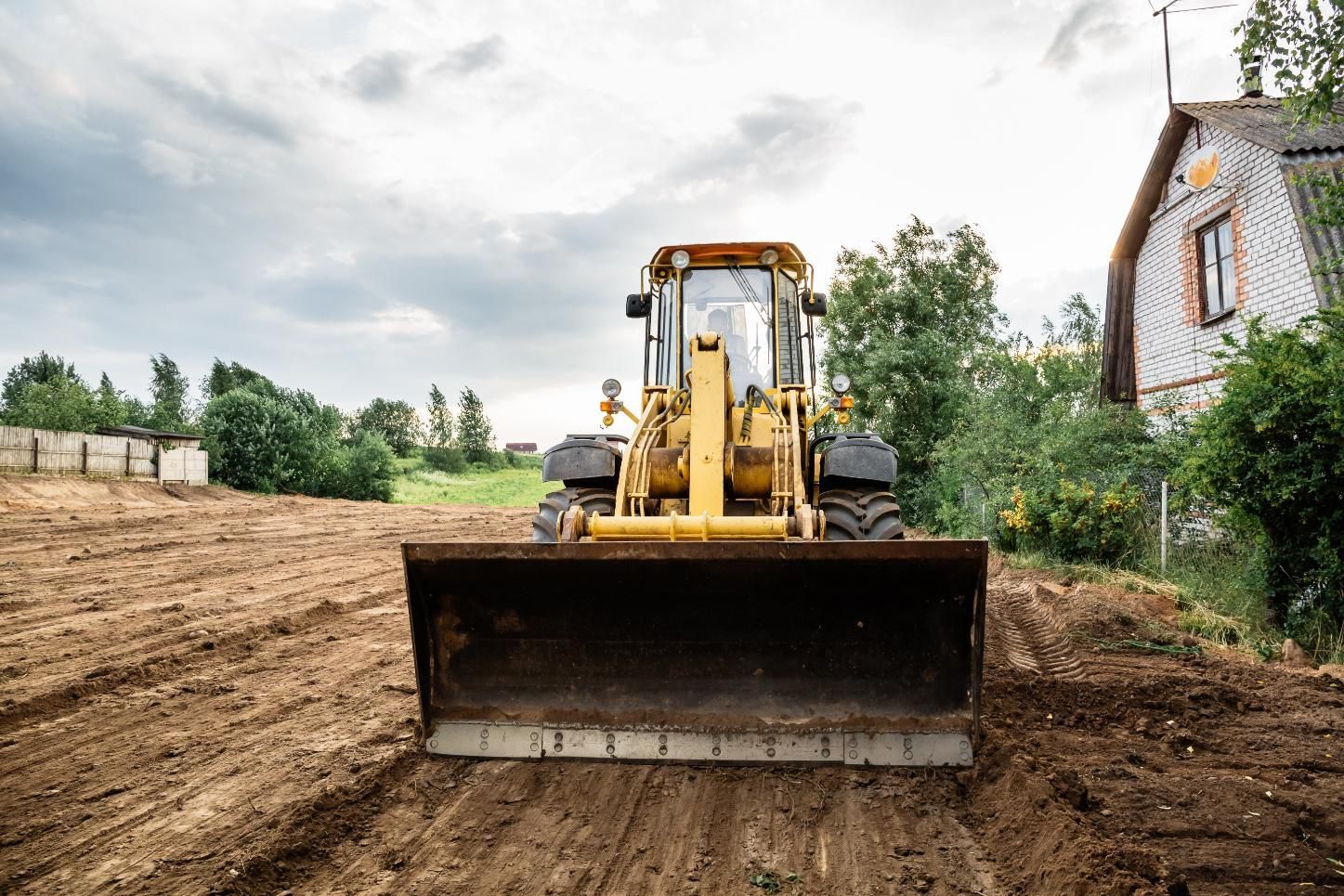
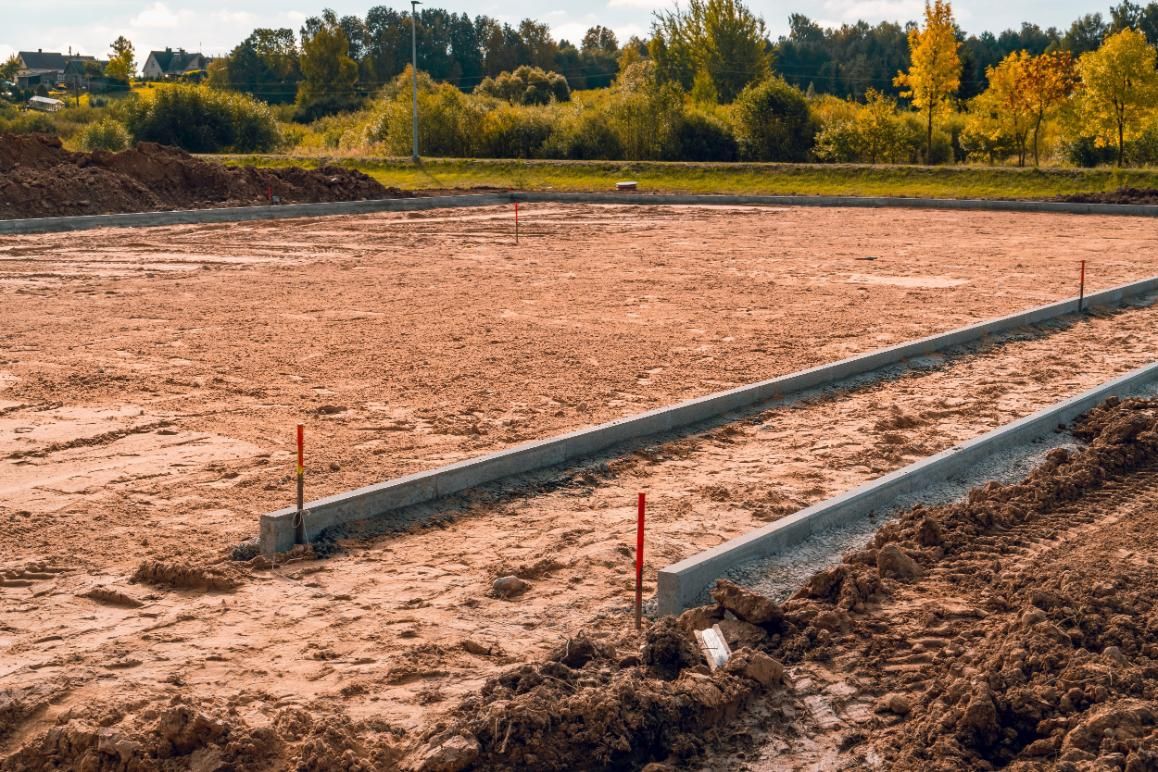
Final Site Readiness for Concrete Placement
Before concrete is poured, the prepared site is reviewed to ensure all conditions meet structural and design requirements.
Dimensional Accuracy Check
The excavation is measured to confirm correct width, depth, and slope alignment according to project specifications.
Subgrade Stability Verification
The compacted base is inspected to ensure it is firm, level, and capable of supporting concrete loads without shifting.
Transition to Concrete Installation
Once verified, the site is considered ready for formwork installation and concrete pouring, marking the final stage of excavation preparation for flatwork and foundations.