Site Preparation Services in Colfax, CA – Pruss Randy Excavation
Serving Colfax, CA and surrounding areas
Overview of Site Preparation in Colfax, CA
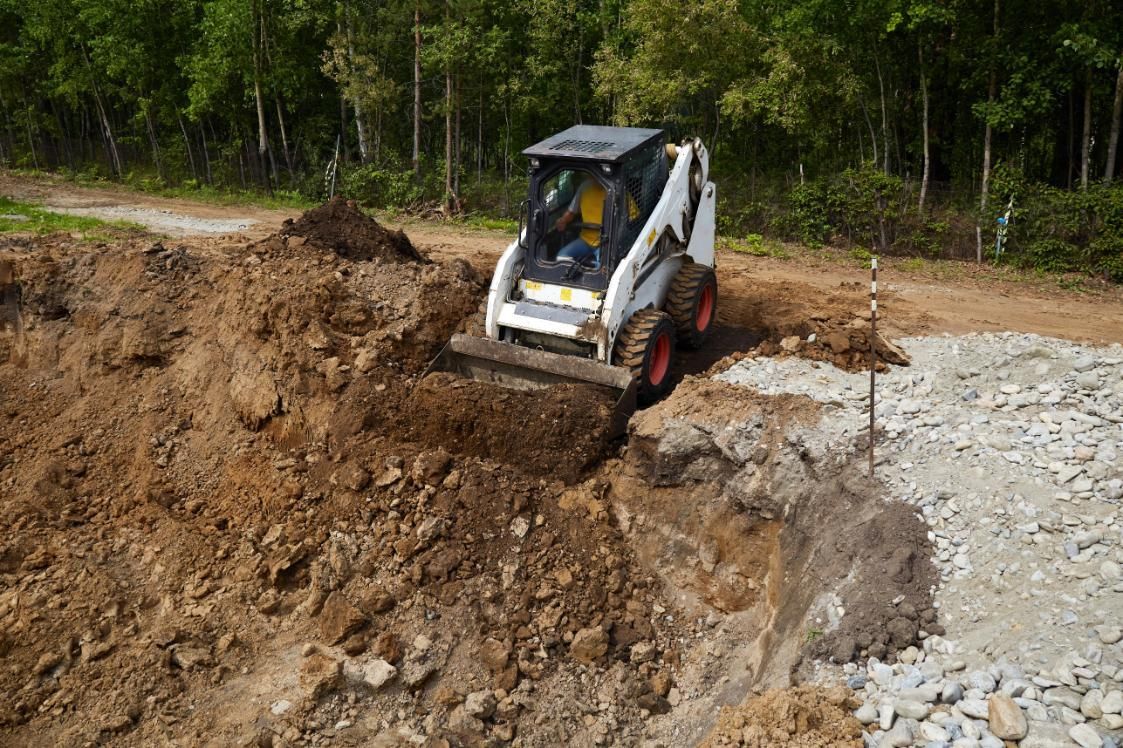
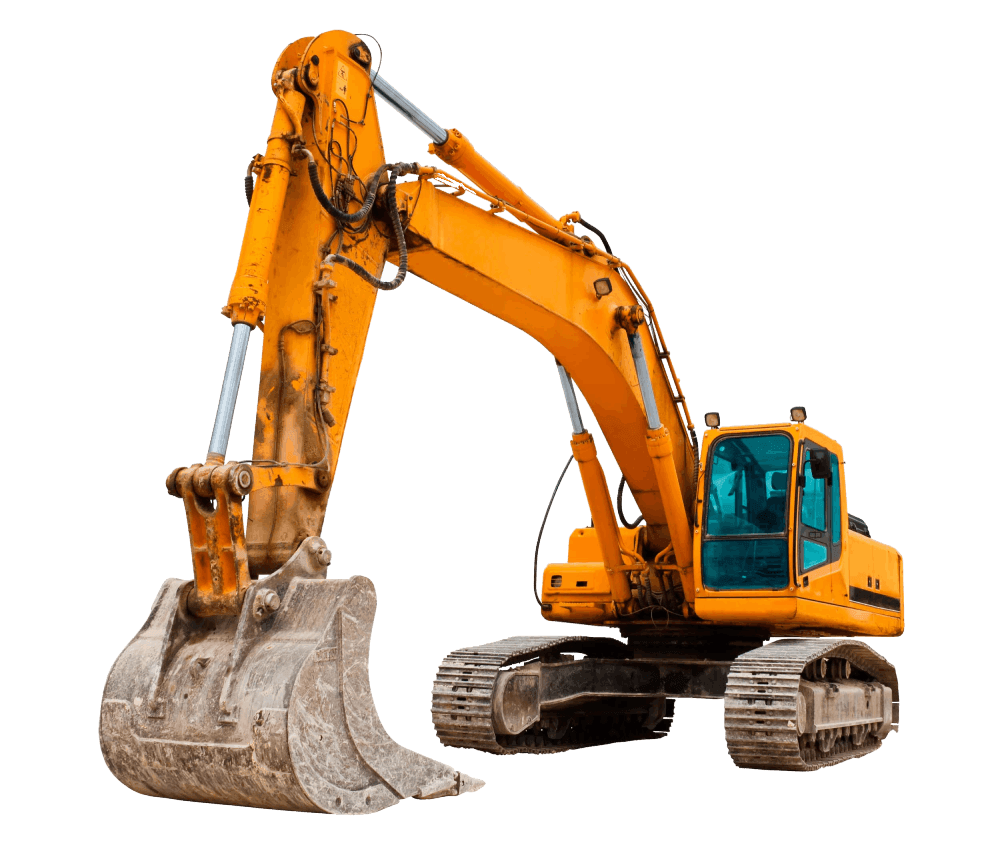
Site preparation is the foundational stage of any construction project, ensuring that land is properly evaluated, cleared, and shaped before building begins. In Colfax, CA, terrain conditions can vary significantly, requiring careful attention to soil composition, elevation changes, vegetation density, and drainage behavior. Pruss Randy Excavation provides structured site preparation work designed to transition raw land into a construction-ready condition suitable for residential, commercial, and infrastructure development.
This stage of work is not limited to surface-level clearing. It involves a combination of excavation, grading, and land modification techniques that prepare the site according to engineering and construction requirements. Each project in Colfax, CA is approached with consideration of local land conditions, including rocky soil areas, sloped properties, and vegetation-heavy parcels that are common in the region.
Site preparation also involves coordination with project plans and property layouts. Whether the land is intended for new construction, expansion, or redevelopment, the preparation phase establishes the physical groundwork required for the next stages of building.
Initial Land Assessment and Planning
Before physical work begins, site preparation starts with an evaluation of the land conditions. This phase determines how the site will be approached and what methods will be required to bring it to a usable condition.
Topographic Review and Site Mapping
Understanding elevation changes and natural slopes is essential in Colfax, CA where many properties are located in uneven terrain. The site is assessed to identify high and low points, drainage flow direction, and any irregular land formations that may impact construction.
Soil Condition Evaluation
Different soil types respond differently to excavation and grading. Soil density, moisture content, and stability are reviewed to determine how the ground will behave once disturbed. This helps guide excavation depth, compaction needs, and grading strategies.
Project Layout Alignment
The planned structure layout is reviewed against the physical site conditions. This ensures that building placement aligns with safe and practical ground conditions, especially in areas where rock formations or uneven terrain may affect foundation design.
Clearing and Demolition Work
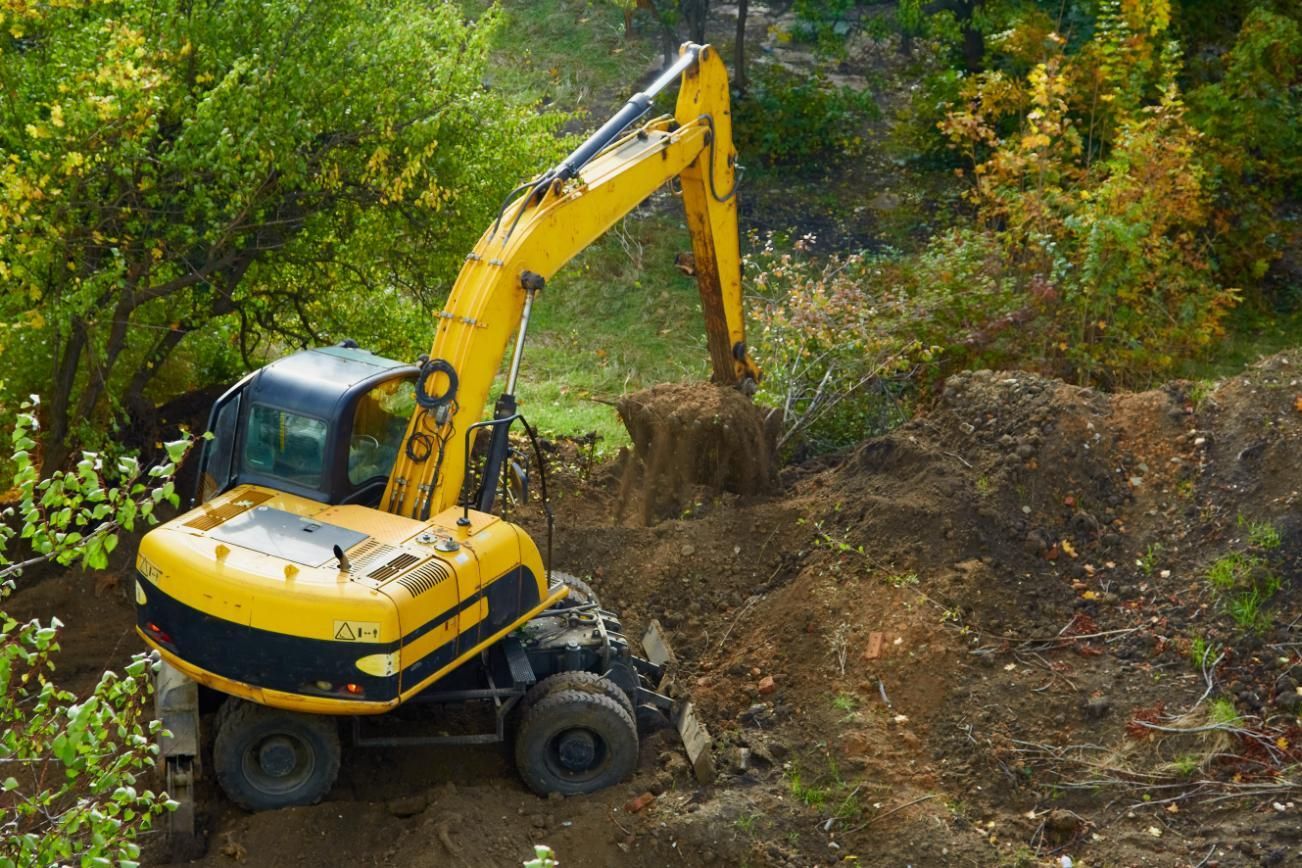
Once the site plan is established, physical preparation begins with clearing and removal of existing surface obstacles. Properties in Colfax, CA often include vegetation, old structures, and natural debris that must be addressed before grading can begin.
Vegetation and Brush Removal
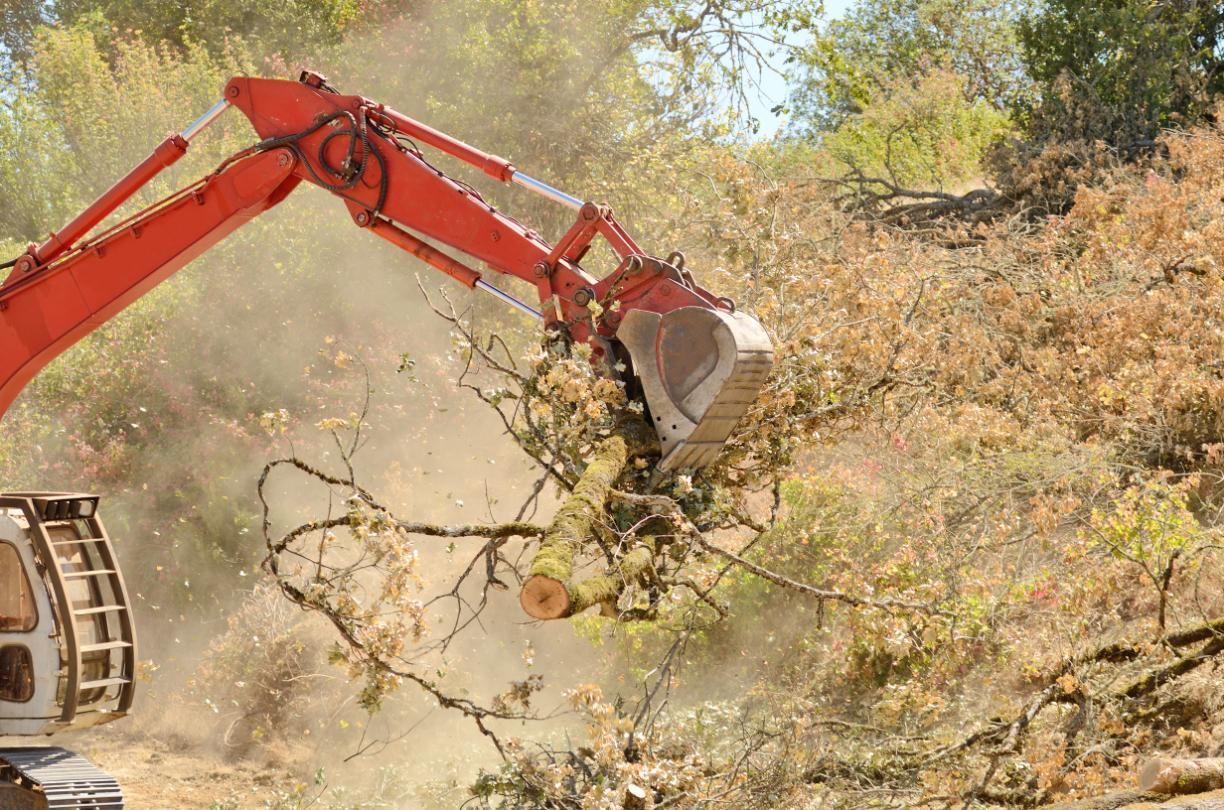
Overgrown brush, trees, and roots are cleared to create a workable surface. This step ensures that the land is fully accessible for excavation equipment and prevents future interference with structural foundations or utilities.
Structure and Debris Removal
If the site contains old buildings, sheds, or leftover construction materials, these are carefully dismantled and removed. The area is then cleared of debris to create a clean working environment for further excavation.
Surface Obstruction Clearing
Surface-level obstacles such as large rocks, stumps, and uneven debris are removed to allow for consistent grading and soil leveling. This step is essential for preparing a stable base for construction activity.
Grading and Soil Conditioning
Grading is a critical part of site preparation, shaping the land to meet construction requirements and ensuring proper surface alignment. In Colfax, CA, grading must also account for natural slope and runoff patterns.
Rough Grading
Initial grading involves reshaping the land to match the general elevation and slope requirements of the project. This process creates a workable foundation and removes major inconsistencies in terrain.
Fine Grading and Leveling
After rough shaping, the surface is refined to achieve more precise leveling. This ensures that the ground meets the necessary tolerances for foundation installation and structural stability.
Soil Redistribution and Compaction
Soil is moved and redistributed across the site to achieve balance and structural support. Compaction is performed to increase soil density and reduce future shifting, settling, or erosion.
Drainage and Erosion Control Preparation
Proper drainage is a necessary component of site preparation in Colfax, CA due to seasonal rainfall and hillside runoff patterns. Without adequate planning, water accumulation can affect both construction progress and long-term structural integrity.
Surface Water Management
The land is shaped to guide water flow away from planned building areas. This helps prevent pooling and reduces the risk of soil saturation in key structural zones.
Drainage Path Formation
Natural or engineered drainage paths are established to control how water moves across the site. These pathways help maintain soil stability during and after construction.
Erosion Control Structuring
Soil is stabilized in areas vulnerable to erosion, especially on sloped terrain. This may involve contouring the land in a way that slows water movement and reduces surface soil displacement.
Final Site Readiness for Construction
Once clearing, grading, and drainage preparation are complete, the site is reviewed for readiness before construction begins. This stage ensures that the ground conditions align with project specifications and structural requirements.
Surface Uniformity Verification
The entire site is checked for consistency in elevation and compaction. Any remaining irregularities are corrected to ensure a stable and even construction surface.
Access Route Preparation
Temporary access routes may be formed to allow construction equipment to move safely across the site without disturbing prepared areas.
Construction Transition Readiness
At this stage, the land is considered prepared for foundation work, utility installation, and structural building. The site is left in a condition that supports efficient progression into the next phase of development.