
Foundations and Footings in Colfax, CA – Pruss Randy Excavation
Serving Colfax, CA and surrounding areas
Overview of Foundation and Footing Excavation in Colfax, CA
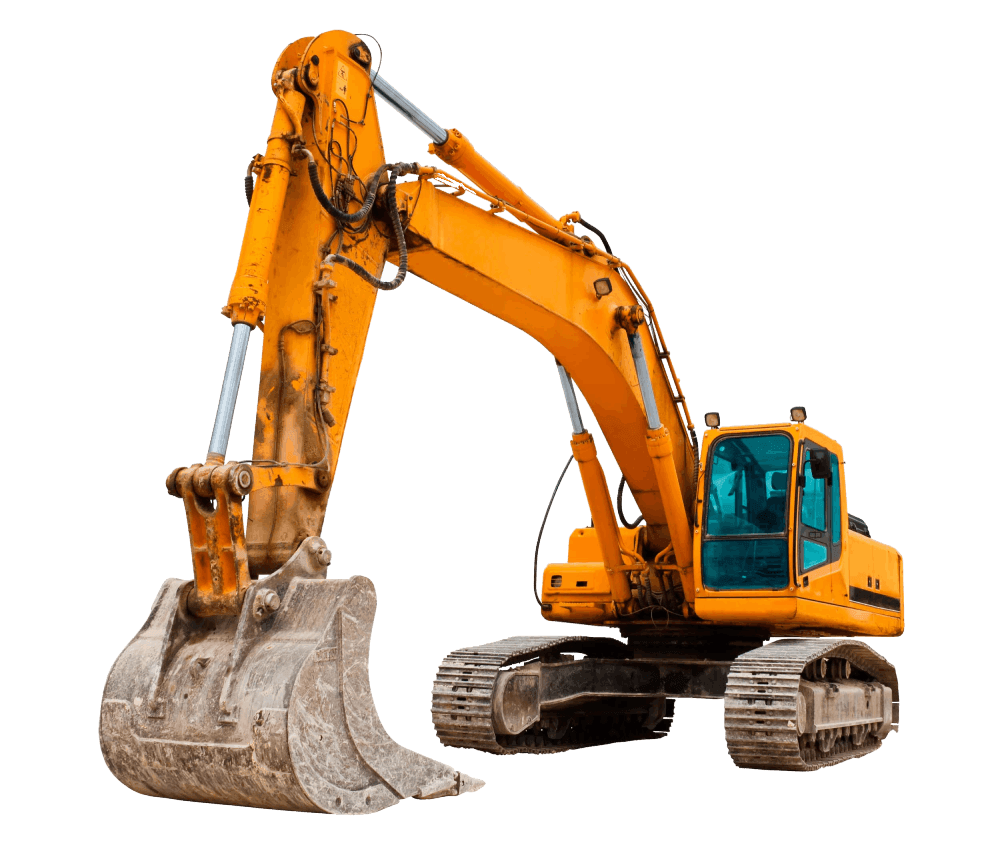
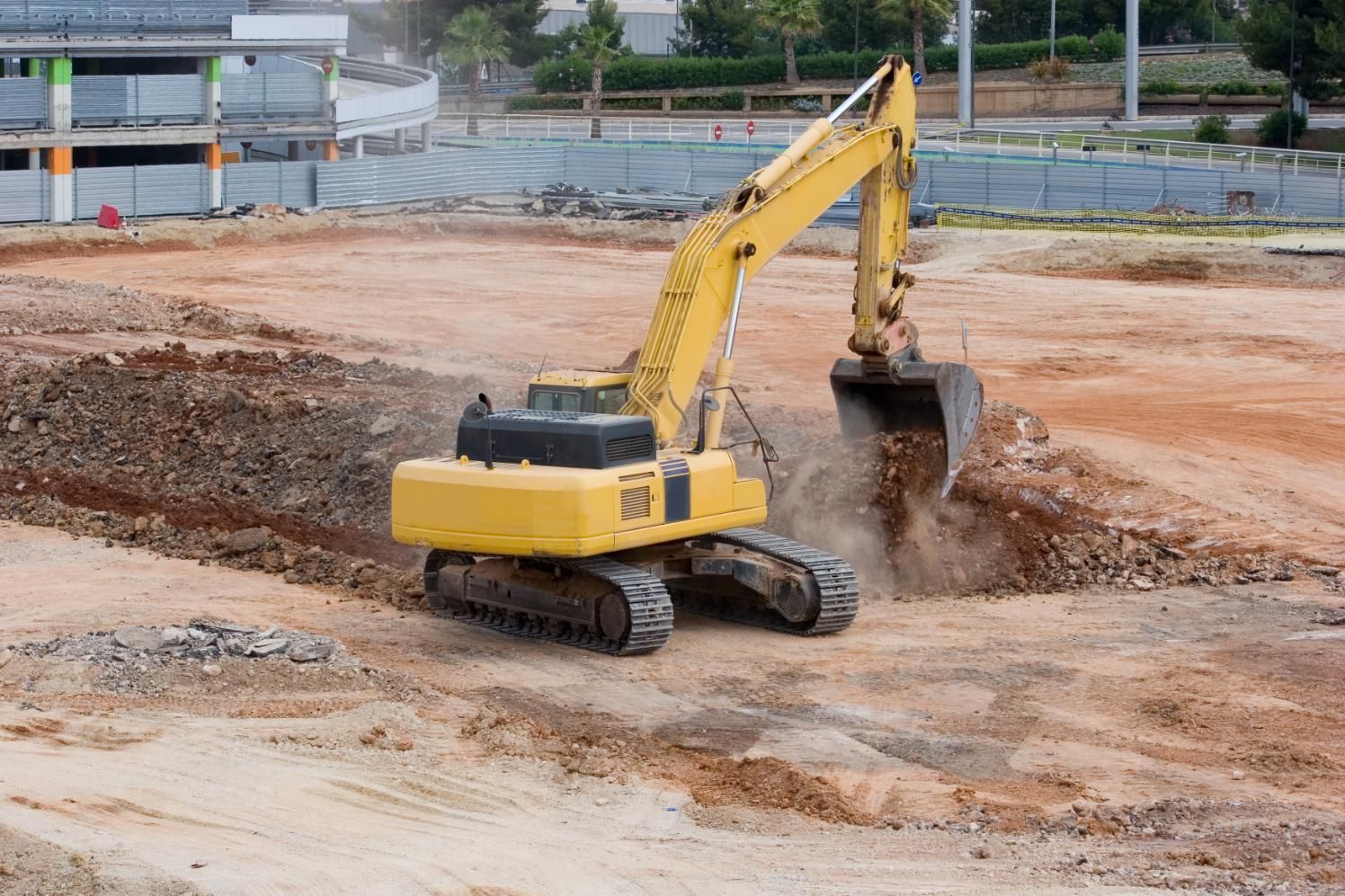
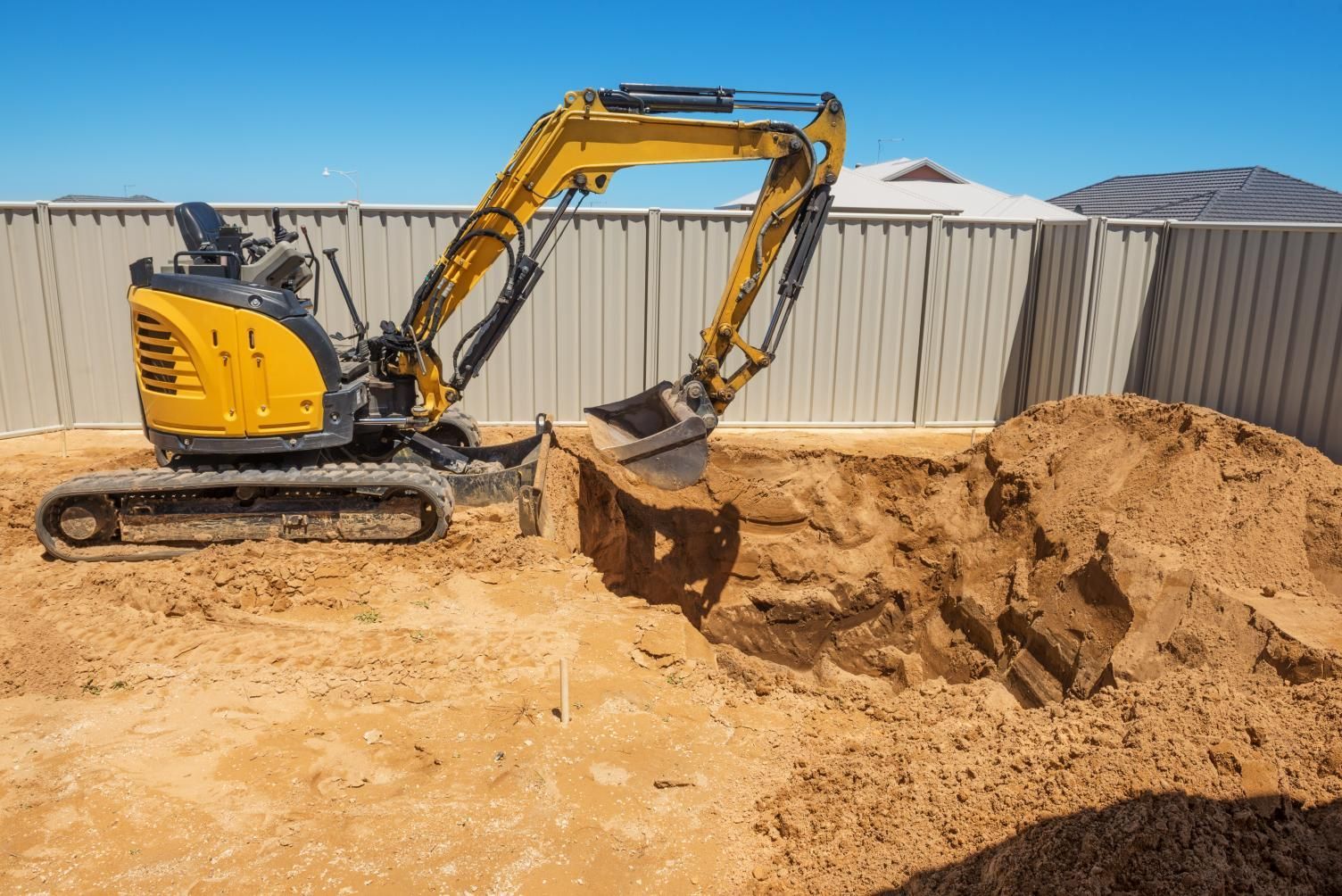
Foundation and footing excavation in Colfax, CA involves preparing the ground to support the structural load of residential, commercial, and industrial buildings. This process requires precise digging, shaping, and soil preparation to ensure that the foundation system is placed on stable, properly compacted ground. Pruss Randy Excavation provides excavation services that align with engineered foundation designs, ensuring that footings are formed according to required depth, width, and soil-bearing conditions.
The terrain in Colfax, CA often presents challenges such as uneven slopes, rocky subsurface layers, and variable soil density. These conditions must be carefully managed during excavation to ensure that foundation areas remain structurally consistent. Proper footing excavation ensures that load distribution from the structure is transferred evenly into the ground, reducing the risk of settling or shifting over time.
Foundation work is one of the most sensitive phases of site development because it directly affects the long-term stability of any structure built above it. Every cut, depth adjustment, and soil modification must align with construction plans and engineering specifications.
Site Evaluation and Foundation Layout Preparation
Before excavation begins, the site must be carefully reviewed and marked according to the foundation design. This stage ensures that all structural elements are accurately positioned within the land.
Structural Layout Marking
The footprint of the building is measured and marked on the ground surface. This includes identifying exterior foundation walls, interior load-bearing points, and footing boundaries to ensure precise excavation alignment.
Elevation and Grade Assessment
Ground elevation is evaluated to determine how much excavation is required to reach the designed footing depth. In Colfax, CA, elevation changes are common and must be accounted for before digging begins.
Soil Bearing Analysis
Soil conditions are reviewed to determine load-bearing capacity. This helps guide excavation depth and identifies whether additional soil conditioning or compaction is required beneath the foundation area.
Excavation for Foundations and Footings
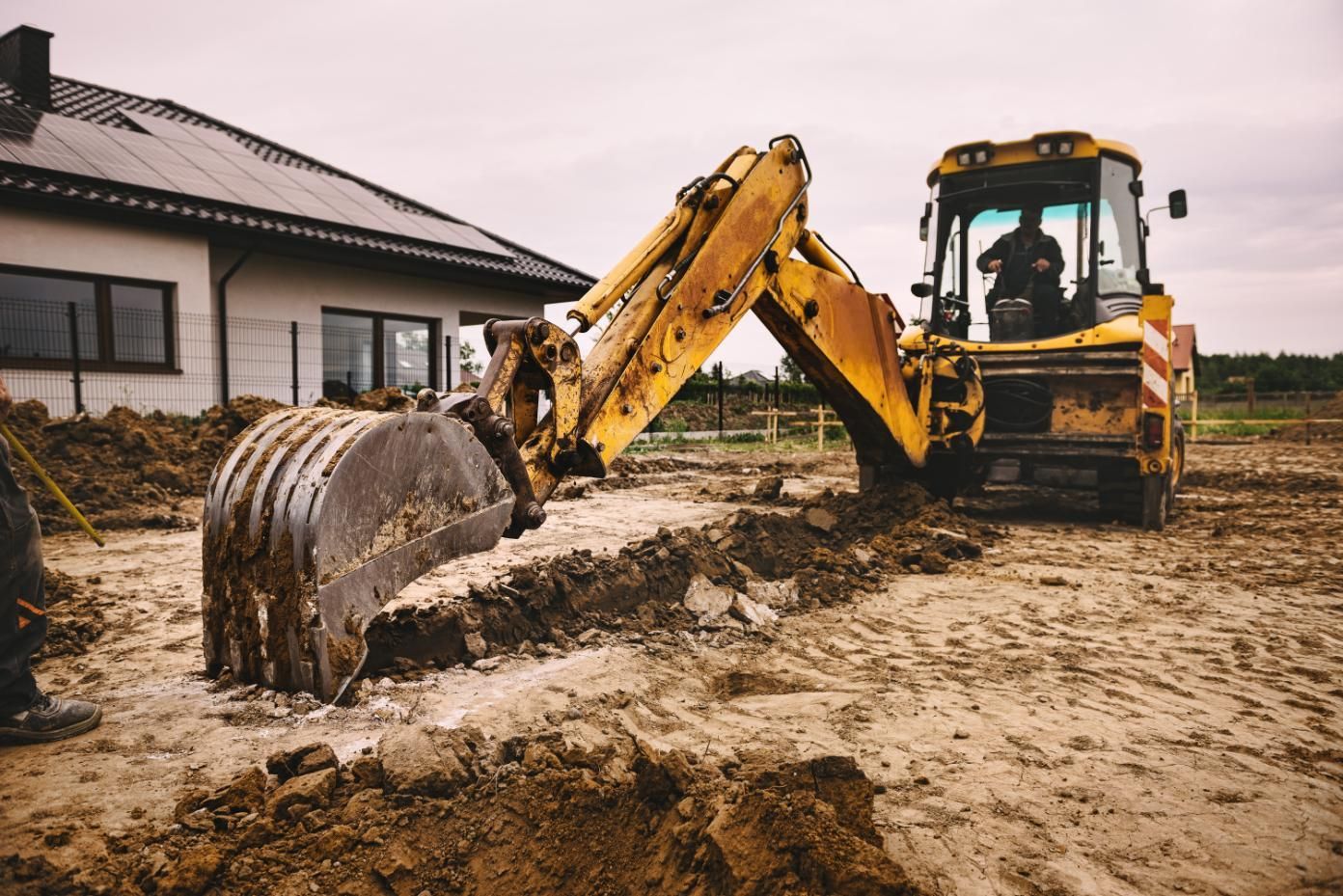
Once layout and evaluation are complete, excavation begins to create the foundation and footing areas according to engineered specifications. This process must be controlled and accurate to ensure structural integrity.
Perimeter Foundation Excavation
The outer edges of the structure are excavated to form continuous foundation trenches. These trenches support load-bearing walls and must maintain consistent depth and width throughout the entire perimeter.
Footing Trench Excavation
Footings are excavated below the foundation line to distribute structural weight across a wider soil base. These trenches are shaped to match load requirements and soil conditions specific to the Colfax, CA terrain.
Interior Support Excavation
For structures requiring internal load-bearing walls or columns, additional excavation is performed to create isolated footing points or support pads within the foundation area.
Rock and Obstruction Removal
In areas where rocky soil or buried obstructions are present, controlled excavation methods are used to remove or adjust material without compromising the surrounding foundation layout.
Subgrade Preparation and Soil Conditioning
After excavation, the exposed soil surface must be prepared to support concrete placement and structural load distribution.
Subgrade Leveling
The bottom of the excavation is leveled to ensure uniform support across the entire foundation area. Any uneven areas are corrected to prevent structural stress points.
Soil Compaction and Stabilization
The subgrade is compacted to increase soil density and reduce future settlement. This step is essential in Colfax, CA where mixed soil conditions can affect long-term stability.
Moisture Adjustment and Conditioning
Soil moisture levels are evaluated and adjusted when necessary to ensure optimal compaction and support conditions before concrete is poured.
Forming and Preparing for Concrete Placement
Once excavation and subgrade preparation are complete, the site is prepared for foundation forming and concrete installation.
Form Alignment Support
Excavated trenches and footing areas are shaped to support formwork installation. Proper alignment ensures that concrete structures follow design specifications without deviation.
Reinforcement Placement Preparation
Space is maintained within the excavation to accommodate steel reinforcement or rebar systems that strengthen the foundation and footings.
Utility Coordination Within Foundation Areas
Where required, provisions are made within the foundation excavation to allow for future utility integration, including plumbing sleeves and conduit pathways.
Drainage Considerations and Groundwater Management
Foundation excavation in Colfax, CA must also account for water movement and subsurface moisture conditions that can affect structural stability.
Subsurface Water Control
If groundwater or moisture is present, excavation is managed to prevent pooling within the foundation area. Proper drainage pathways are maintained to keep the subgrade stable.
Surface Drainage Alignment
The surrounding ground is shaped to direct water away from the foundation zone, reducing the risk of water infiltration after construction.
Soil Moisture Stability Monitoring
Moisture levels are monitored throughout excavation to ensure that soil conditions remain suitable for foundation support and concrete curing.
Final Foundation Excavation Readiness
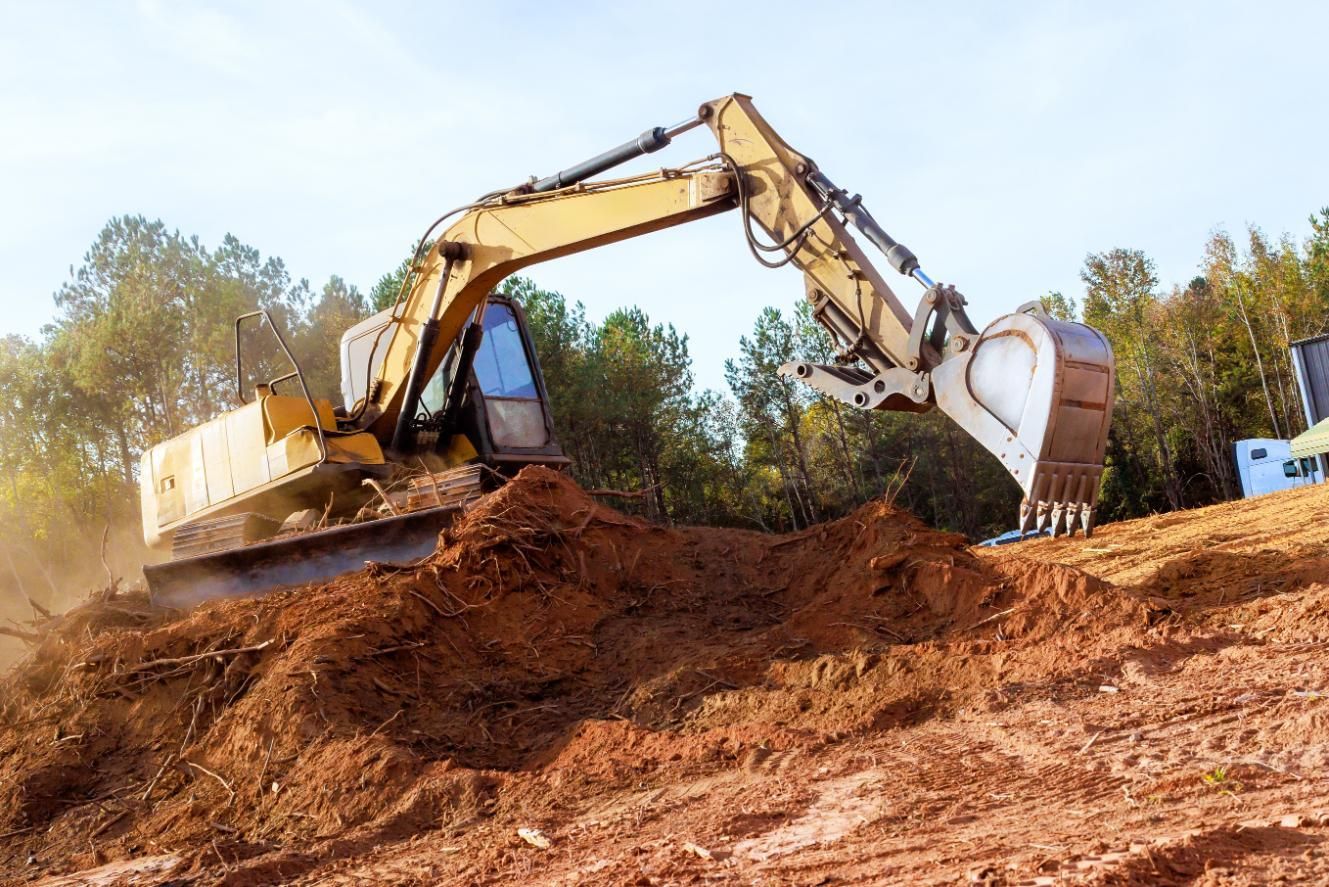
Before construction proceeds, the completed excavation is reviewed to ensure it meets all structural and engineering requirements.
Dimensional Verification
All foundation and footing trenches are checked for correct depth, width, and alignment according to project specifications.
Subgrade Inspection
The prepared soil surface is evaluated for stability, compaction, and uniformity to ensure it is ready for structural loading.
Construction Transition Preparation
Once verified, the excavation is left in a condition suitable for concrete placement, reinforcing installation, and full foundation construction.