
Roads and Driveways in Colfax, CA – Pruss Randy Excavation
Serving Colfax, CA and surrounding areas
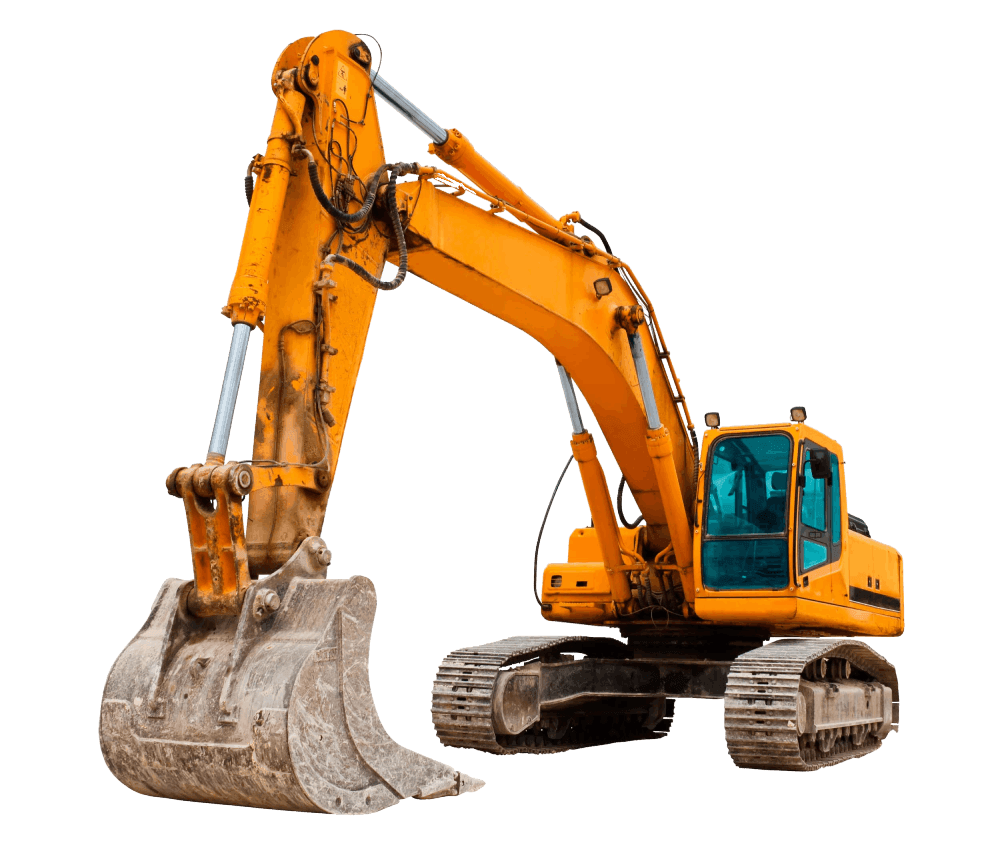
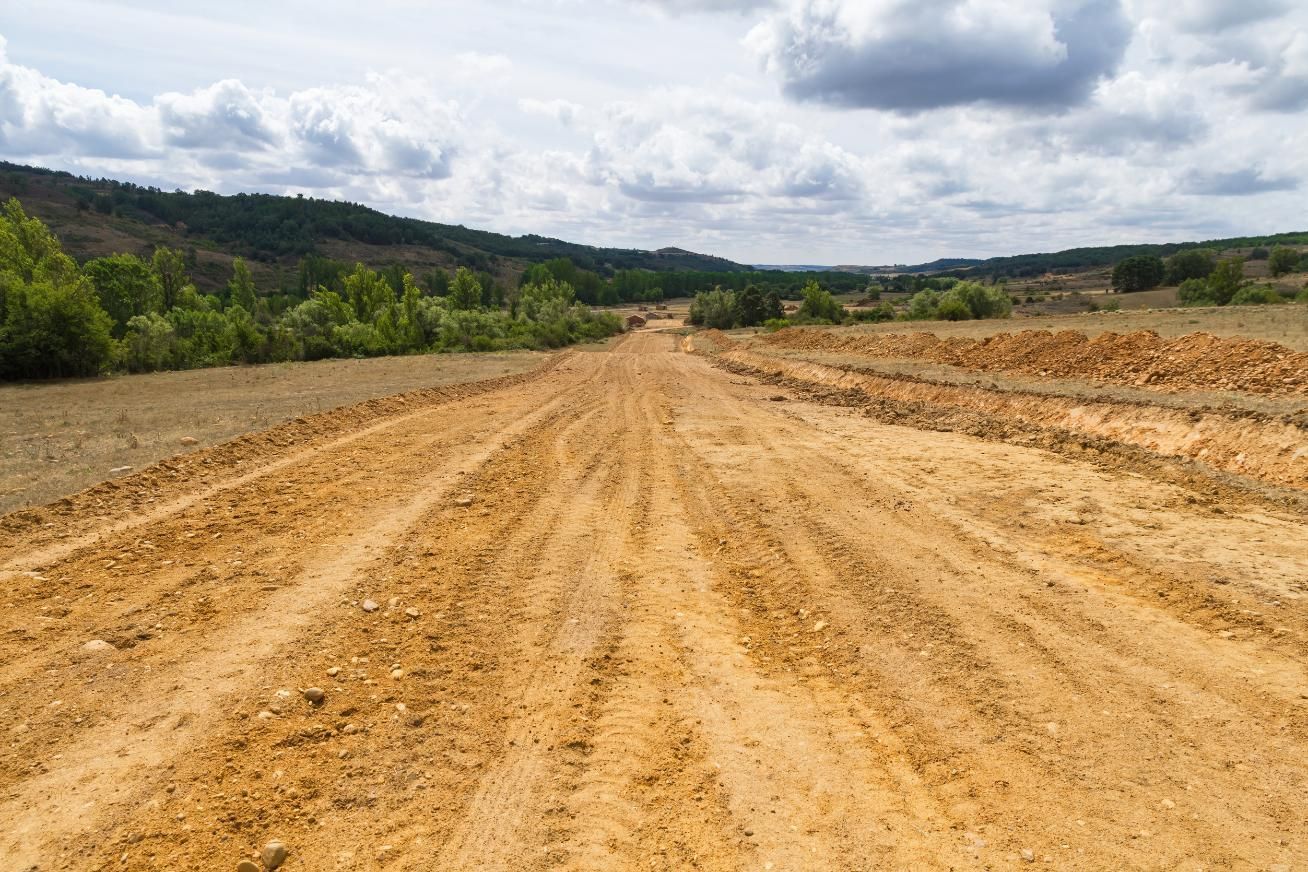
Overview of Road and Driveway Construction in Colfax, CA
Road and driveway construction in Colfax, CA involves excavation, grading, and base preparation to create stable access routes for residential, commercial, and rural properties. These surfaces must be engineered to handle vehicle weight, weather exposure, and long-term ground movement. Pruss Randy Excavation provides site preparation and earthwork services that establish the foundation for durable roads and driveways built on properly prepared soil.
In Colfax, CA, terrain conditions often include sloped properties, rocky ground, and uneven natural surfaces. These conditions require careful excavation and grading to ensure that roads and driveways remain stable and functional over time. Proper preparation is essential to create a surface that supports consistent vehicle travel while managing drainage and soil stability.
Roads and driveways are more than surface-level construction. Their performance depends heavily on the strength and preparation of the underlying base, which must be shaped, compacted, and graded correctly before any gravel, asphalt, or concrete is installed.
Site Evaluation and Access Route Planning
Before excavation begins, the proposed road or driveway route is evaluated to determine the most efficient and stable path across the property.
Route Layout and Alignment
The path of the road or driveway is marked based on property layout, building access points, and terrain conditions. This ensures that the final route provides practical and safe vehicle access.
Elevation and Slope Assessment
Natural slopes are analyzed to determine how the driveway or road will handle incline changes. In Colfax, CA, slope management is critical to prevent erosion and maintain traction.
Soil Condition Review
The soil along the proposed route is evaluated for stability, compaction potential, and drainage behavior. This helps determine how much excavation and base preparation will be required.
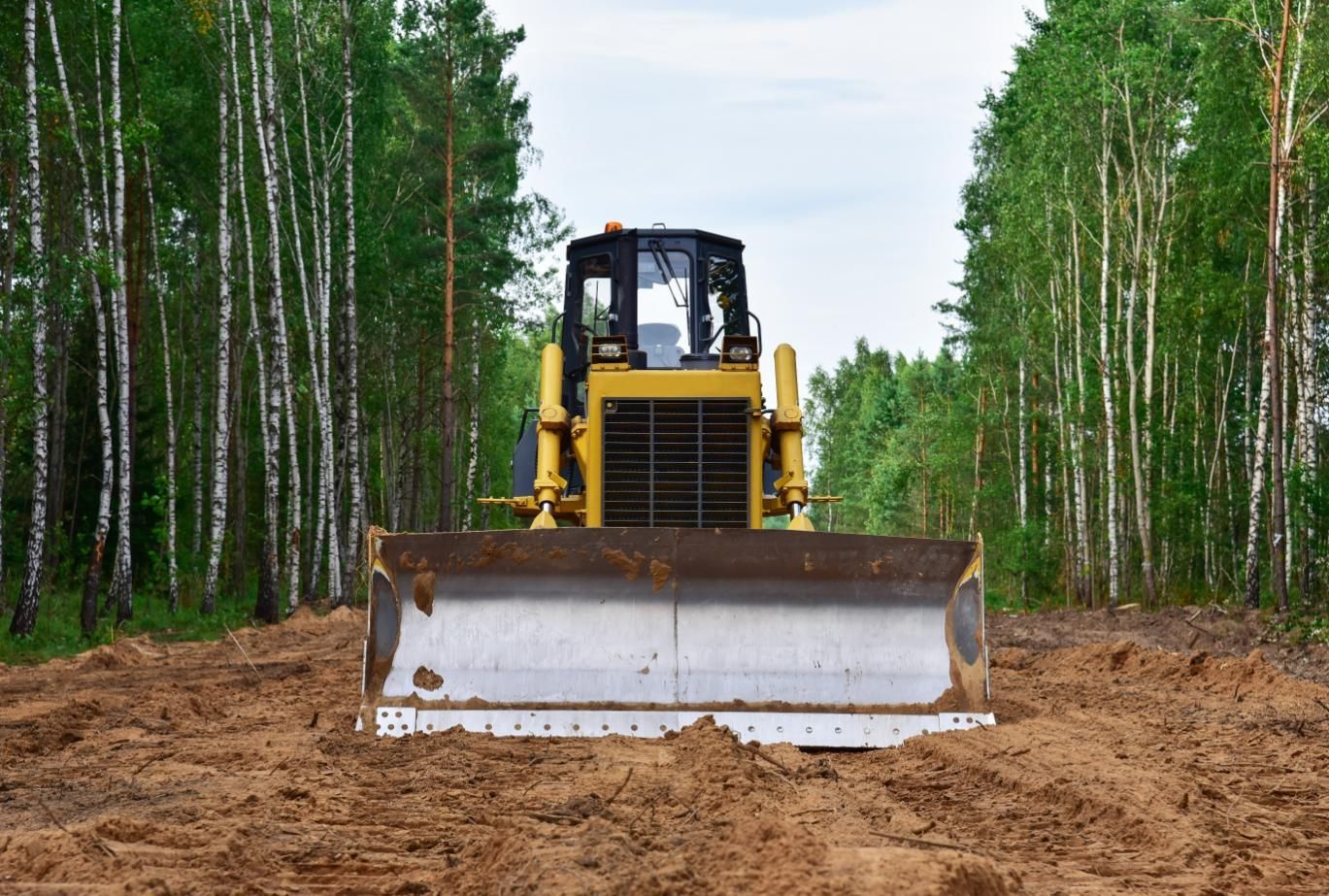
Excavation and Ground Preparation
Once planning is complete, excavation begins to create a stable base for the road or driveway structure.
Surface Clearing and Stripping
Topsoil, vegetation, and loose material are removed from the road or driveway path. This exposes stable ground layers that can support structural base materials.
Cut and Fill Excavation
Uneven terrain is reshaped through cut and fill techniques. High areas are removed, and low areas are filled and compacted to create a consistent driving surface.
Subgrade Shaping
The subgrade is formed to match the intended design of the road or driveway. This includes establishing width, depth, and edge boundaries for the final structure.
Obstacle Removal
Rocks, roots, and buried debris are removed during excavation to ensure a clean and stable base for construction.
Base Formation and Soil Compaction
A properly constructed base is essential for the durability of roads and driveways in Colfax, CA. This layer supports surface materials and distributes vehicle loads evenly.
Subgrade Compaction
The excavated surface is compacted to increase soil density and reduce future shifting. Proper compaction helps prevent rutting and surface deformation.
Base Material Installation
Crushed rock or aggregate base material is placed over the prepared subgrade. This layer provides structural strength and improves load distribution.
Layered Compaction Process
Base materials are compacted in layers to achieve maximum stability. Each layer is leveled and compressed before additional material is added.
Surface Grade Refinement
The base is shaped to ensure proper slope and alignment for drainage and surface installation.
Drainage Design and Water Management
Proper drainage is essential for maintaining the integrity of roads and driveways, especially in areas like Colfax, CA where rainfall and runoff can affect soil stability.
Surface Water Flow Control
The road or driveway is graded to direct water away from the driving surface. This prevents pooling and reduces erosion risk.
Side Drainage Formation
Ditches or drainage channels may be formed along the edges of the roadway to manage runoff and protect the base structure.
Erosion Prevention Measures
Soil stabilization techniques are used along slopes and edges to reduce erosion caused by water movement.
Driveway and Road Surface Preparation
After the base is established, the surface is prepared for final road or driveway material installation such as gravel, asphalt, or concrete.
Final Grading and Smoothing
The surface is finely graded to ensure a smooth and even driving path. This step is critical for achieving proper surface performance.
Edge Definition and Containment
Edges are shaped to contain surface materials and maintain structural boundaries for the road or driveway.
Compaction Verification
The completed base is inspected and compacted again if necessary to ensure it meets required density standards before surface installation.
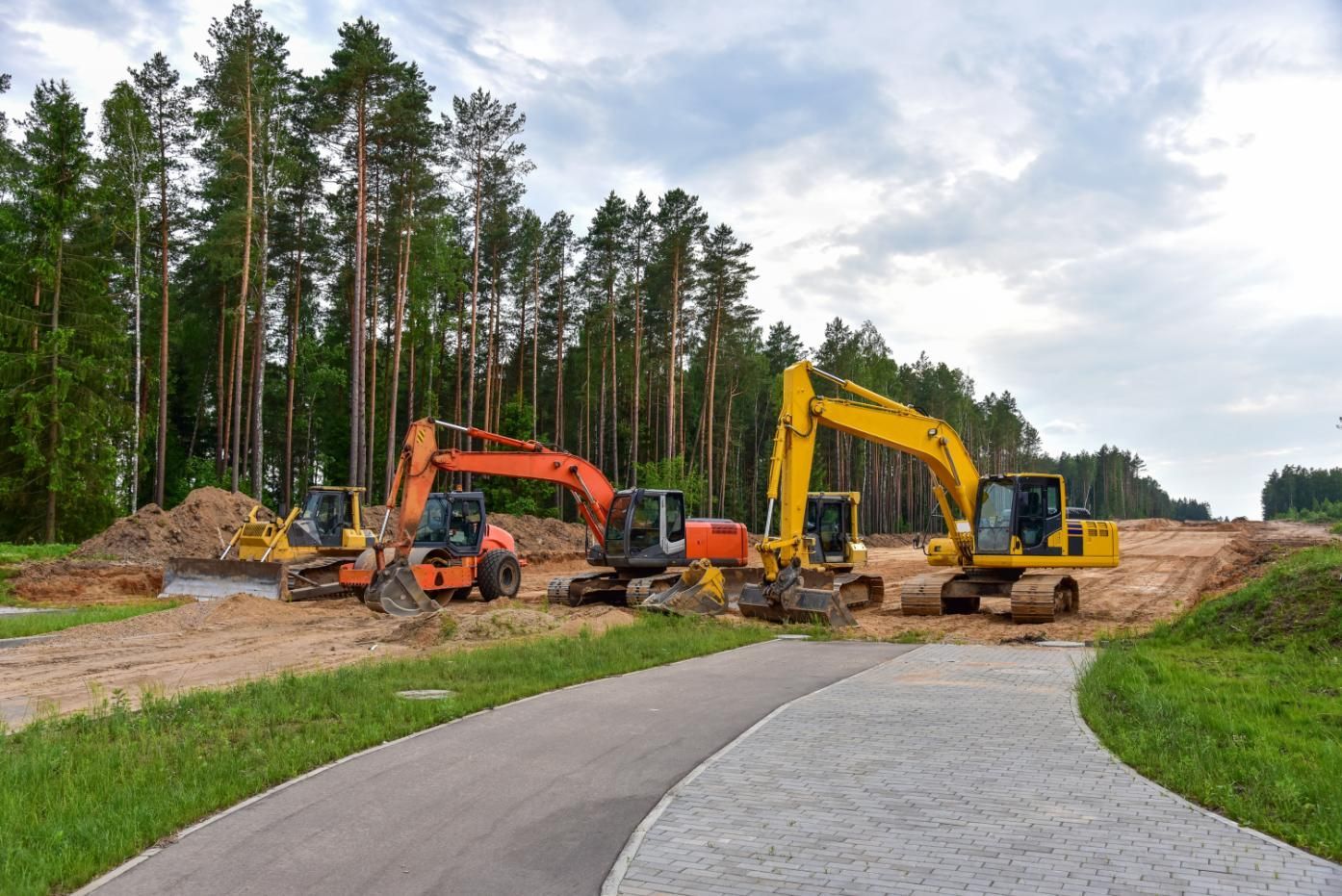
Final Readiness for Surface Installation
Before the road or driveway is completed with final materials, the prepared base is reviewed to confirm stability and alignment.
Dimensional Accuracy Check
The width, slope, and alignment of the roadway or driveway are measured to ensure consistency with the planned design.
Structural Stability Review
The base is evaluated for firmness and load-bearing capability to ensure it can support long-term vehicle use.
Transition to Surfacing Work
Once verified, the site is ready for the installation of gravel, asphalt, or concrete, completing the road or driveway construction process.