
Land Clearing and Demolition in Colfax, CA – Pruss Randy Excavation
Serving Colfax, CA and surrounding areas
Overview of Land Clearing and Demolition in Colfax, CA
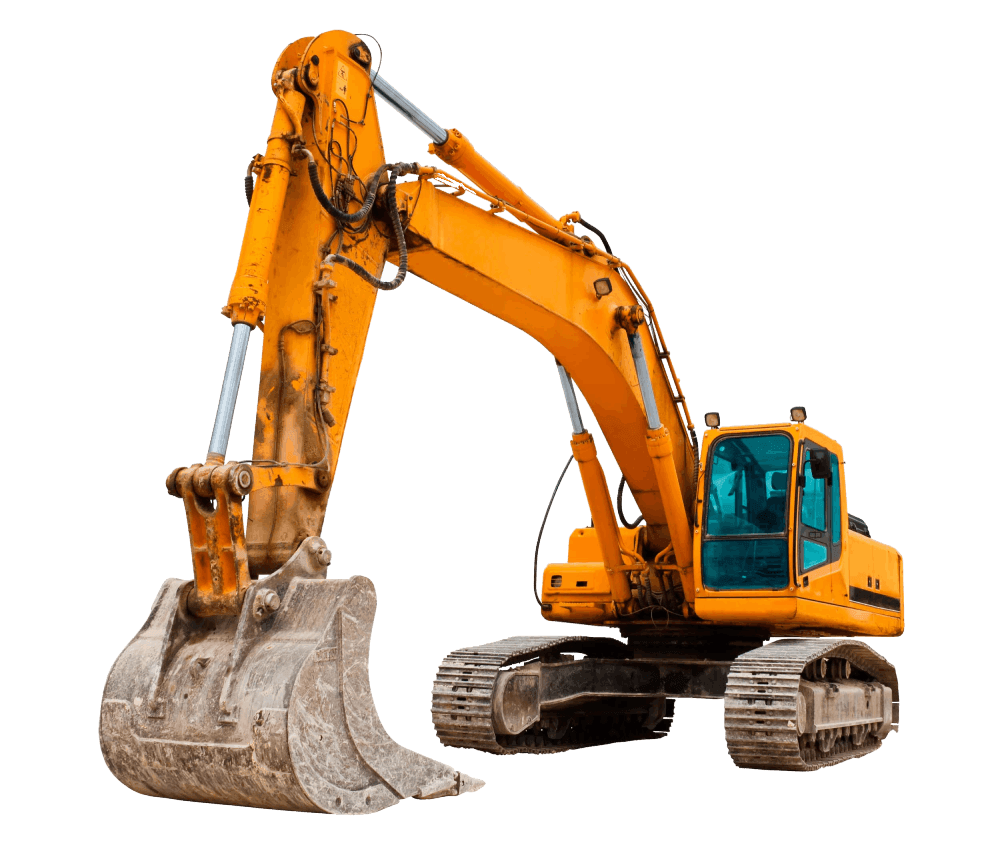
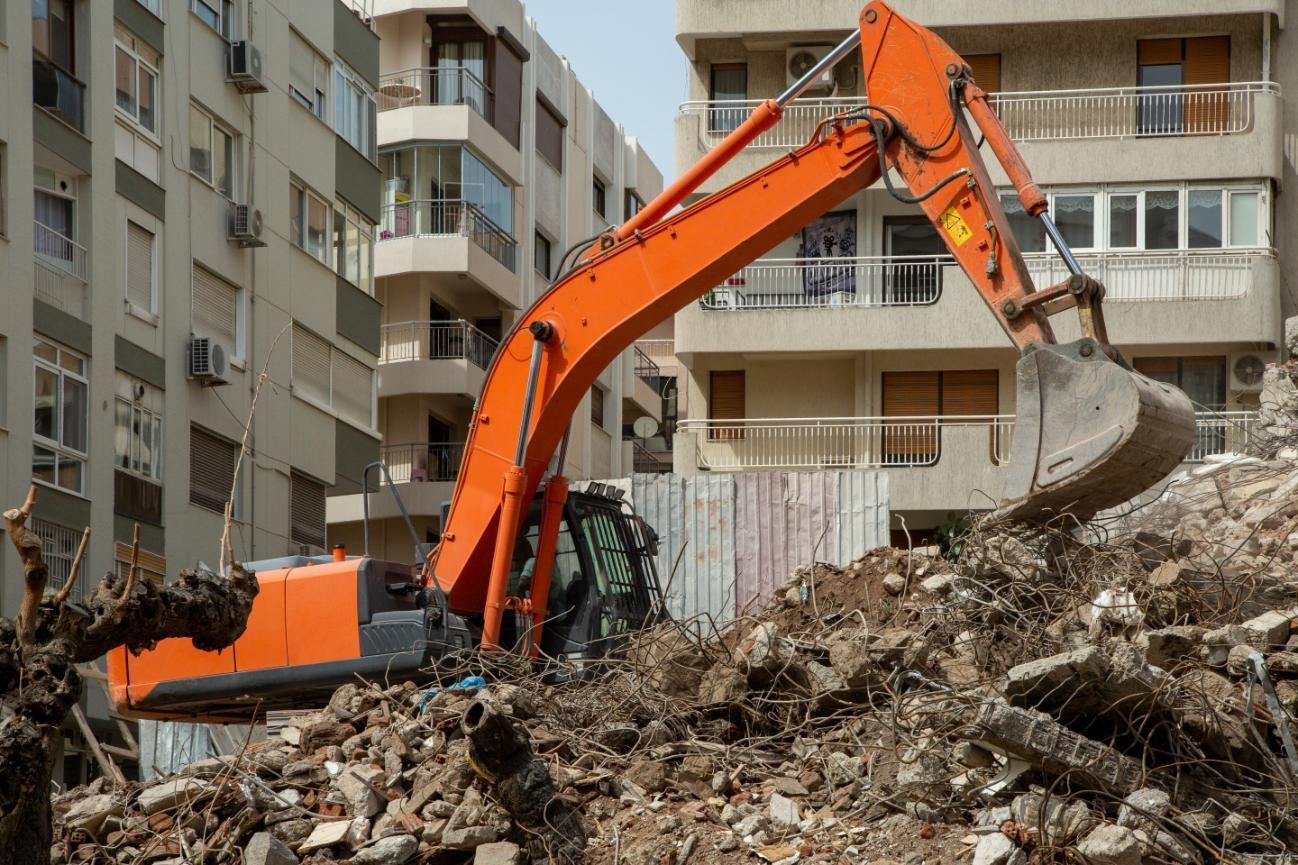
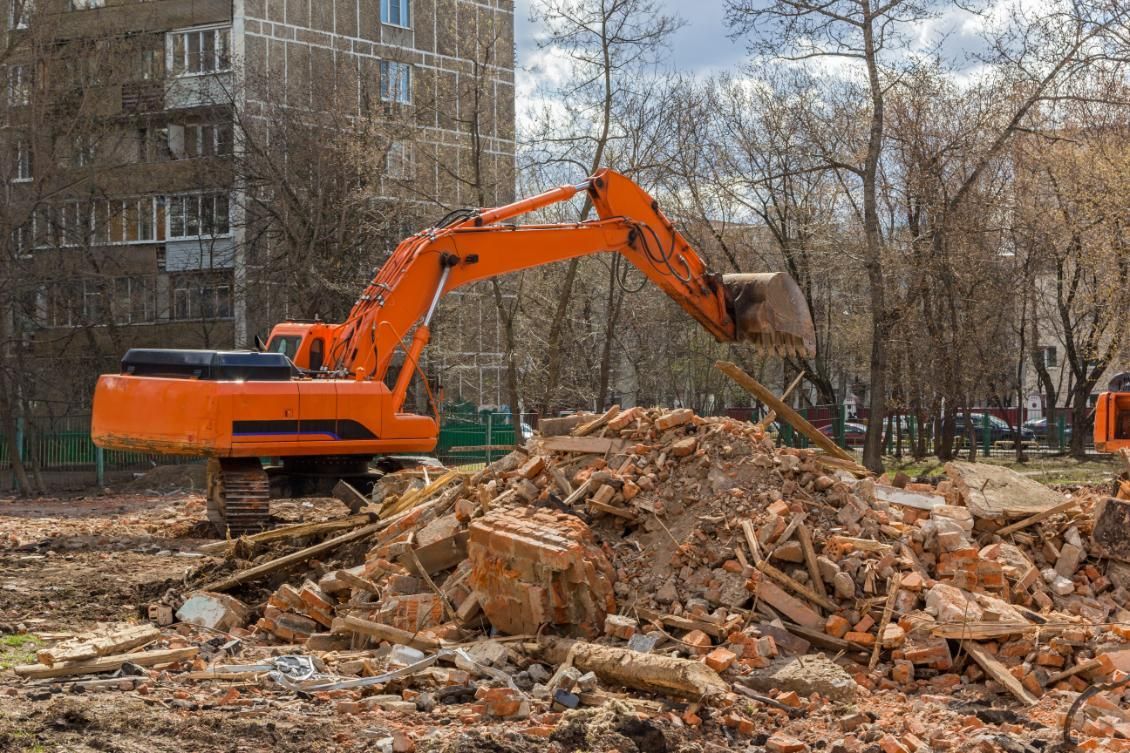
Land clearing and demolition in Colfax, CA involves the removal of vegetation, structures, debris, and surface obstacles to prepare a property for new construction or redevelopment. This process is a critical first step in transforming raw or previously developed land into a build-ready site. Pruss Randy Excavation provides structured clearing and demolition services designed to handle residential parcels, commercial lots, and rural land across the Colfax region.
The terrain in Colfax, CA often includes wooded areas, uneven ground, and older properties with existing structures or foundations. These conditions require controlled demolition methods and systematic clearing techniques to ensure the land is safely and efficiently prepared for excavation or construction. Every project begins with evaluating what must be removed, what can remain, and how the land should be shaped after clearing.
Land clearing is not limited to removing visible vegetation. It also includes addressing root systems, buried debris, and structural remnants that may interfere with future grading or foundation work. Demolition involves carefully dismantling existing buildings or structures while managing debris removal and site safety.
Site Evaluation and Clearing Preparation
Before any physical work begins, the site is assessed to determine the scope of clearing and demolition required. This stage ensures that all elements of the project are identified and planned properly.
Property Condition Assessment
The land is inspected to identify structures, vegetation density, soil conditions, and access limitations. This evaluation helps determine the most effective clearing approach for the property in Colfax, CA.
Structure and Obstruction Identification
Existing buildings, sheds, concrete pads, fencing, and other man-made structures are documented for removal or preservation. Natural obstacles such as large trees, stumps, and dense brush are also identified.
Access Route Planning
Equipment access points are established to ensure safe movement of machinery throughout the site. This is especially important on uneven or wooded terrain common in Colfax, CA.
Land Clearing and Vegetation Removal
Once planning is complete, the land clearing process begins to remove natural growth and surface-level obstacles from the property.
Tree and Brush Removal
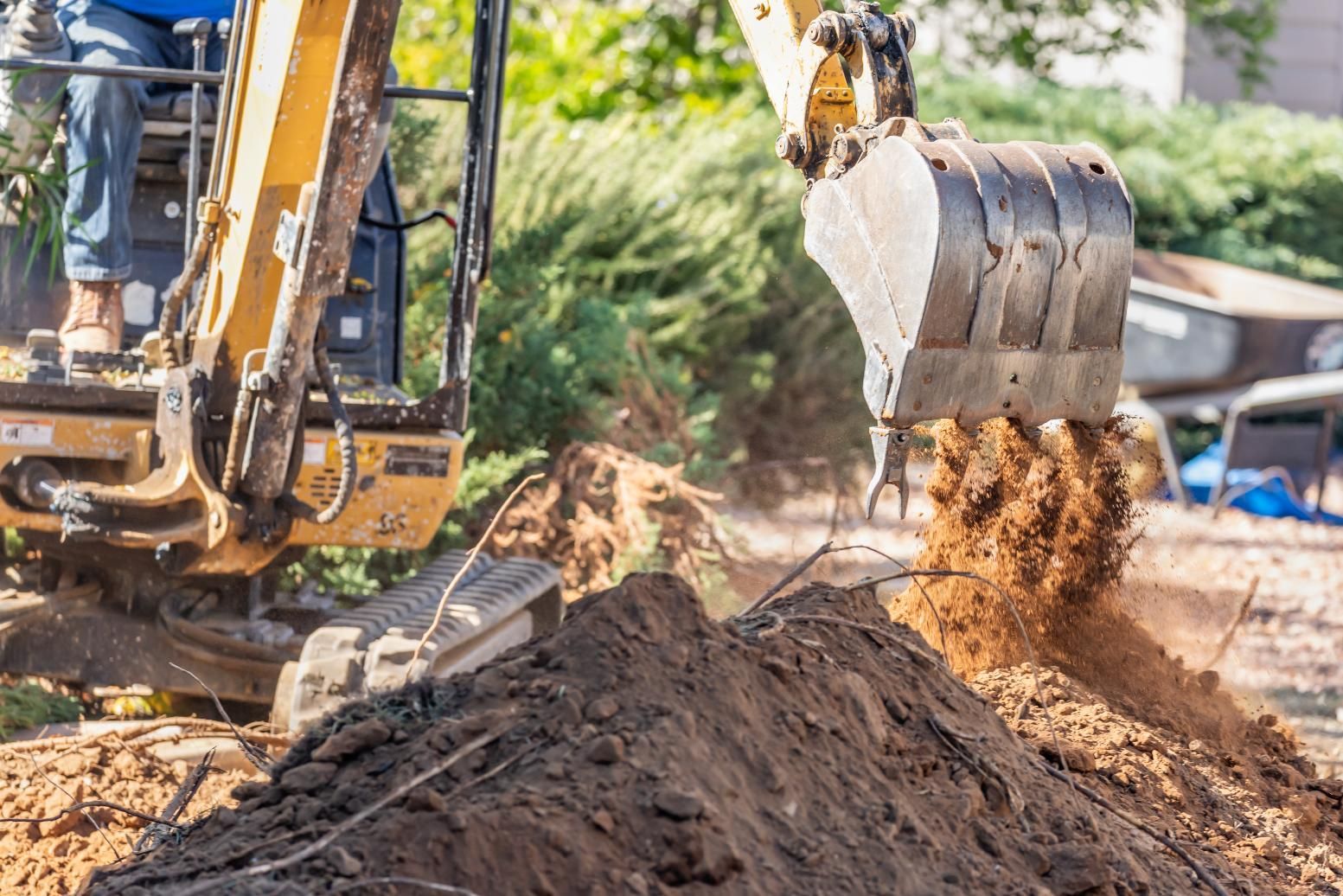
Trees, shrubs, and dense vegetation are removed to open up the site for excavation and construction. Larger trees may require sectioning before removal depending on location and surrounding structures.
Stump and Root Extraction
After trees are removed, stumps and root systems are extracted to prevent future ground interference. Root removal is important for ensuring stable soil conditions for future grading and foundations.
Surface Debris Clearing
Loose debris such as fallen branches, rocks, and organic material is cleared from the site. This creates a clean working environment for excavation and demolition equipment.
Ground Surface Opening
Once vegetation is removed, the land is opened up to allow for proper surveying, grading, and construction planning. This step reveals the natural terrain beneath surface overgrowth.
Structure Demolition and Removal
Demolition work involves safely dismantling and removing existing structures to prepare the site for redevelopment.
Residential and Small Structure Demolition
Smaller buildings such as homes, sheds, garages, and outbuildings are carefully dismantled. Materials are separated where possible to support efficient removal and site cleanup.
Concrete and Hard Surface Removal
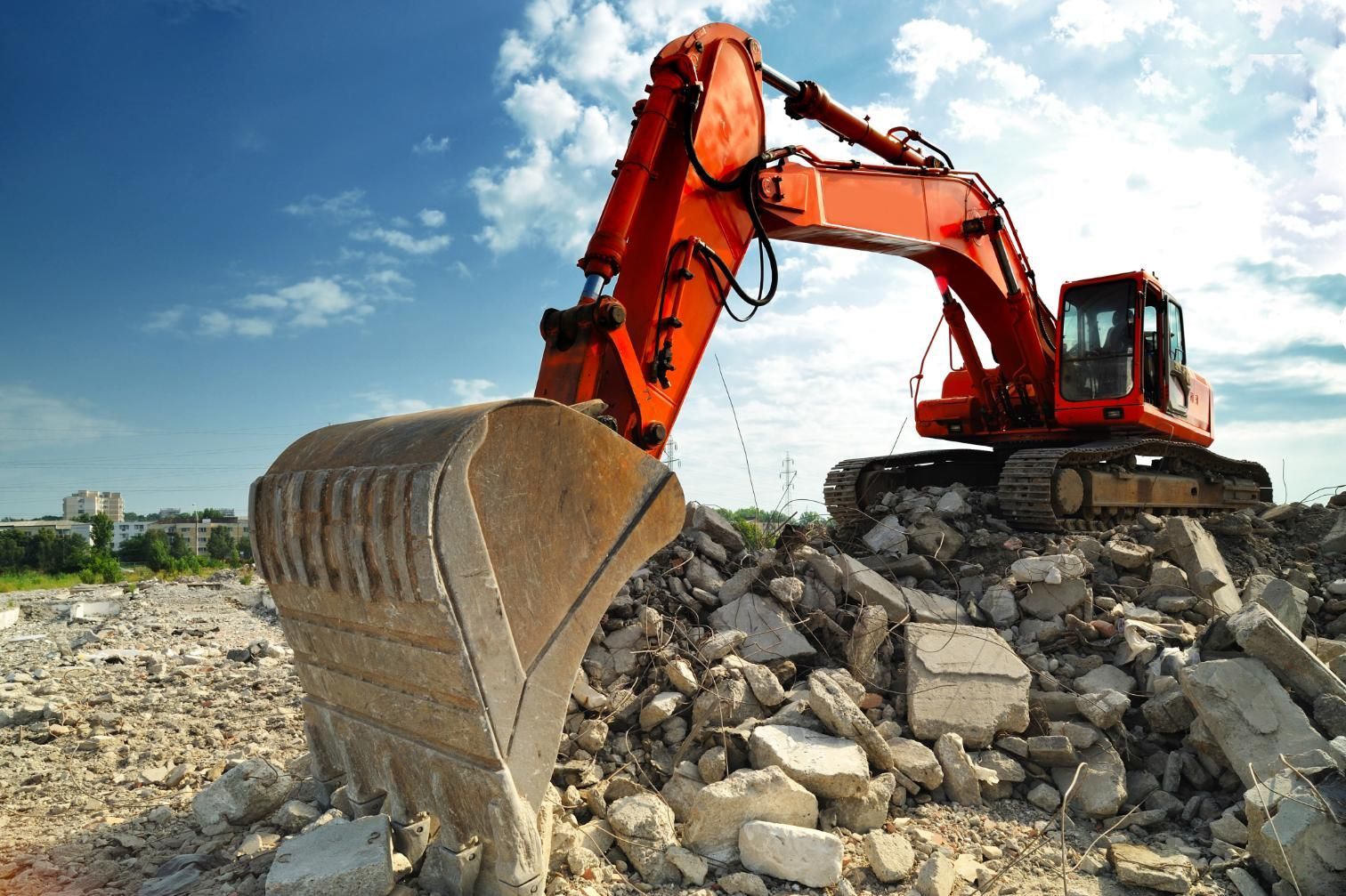
Existing concrete slabs, driveways, foundations, and pads are broken up and removed. This ensures that no old structural elements remain that could interfere with new construction.
Controlled Structural Dismantling
Structures are taken down in a controlled sequence to maintain safety and minimize impact on surrounding areas. This is especially important when working near property boundaries or other buildings.
Debris Handling and Removal
All demolished materials are collected and transported away from the site. The goal is to leave the property free of construction debris and ready for the next phase of work.
Site Cleanup and Ground Preparation
After clearing and demolition are complete, the site is cleaned and prepared for grading or excavation.
Surface Leveling After Removal
The ground is leveled to remove uneven areas left by removed structures or vegetation. This prepares the land for further excavation or grading work.
Remaining Material Sorting
Any remaining material is sorted and cleared to ensure that no debris interferes with future construction activities.
Soil Surface Exposure
Natural soil layers are exposed and prepared for evaluation. This helps determine how the land will respond to grading, compaction, and structural development.
Environmental and Soil Considerations
Land clearing and demolition in Colfax, CA must take into account environmental factors and soil conditions that affect future construction.
Soil Stability Assessment
Once surface material is removed, soil conditions are reviewed for stability and compaction potential. This helps determine readiness for excavation or foundation work.
Erosion Risk Management
Cleared land is evaluated for potential erosion issues, especially on sloped properties. Measures may be taken to reduce soil displacement after clearing.
Drainage Pattern Awareness
Natural water flow patterns are observed to ensure that clearing and demolition do not negatively affect drainage behavior on the property.
Final Site Condition After Clearing and Demolition
Once all work is completed, the site is left in a condition suitable for grading, excavation, or construction development.
Clean and Open Site Condition
The property is fully cleared of structures, vegetation, and debris, providing a blank surface for construction planning.
Ready for Excavation or Grading
The land is prepared for the next phase of development, including site preparation, foundation excavation, or utility installation.
Transition to Construction Phase
With demolition and clearing complete, the site is ready to move into structured development work based on project design and engineering requirements.