
Residential Grading and Excavation in Colfax, CA – Pruss Randy Excavation
Serving Colfax, CA and surrounding areas
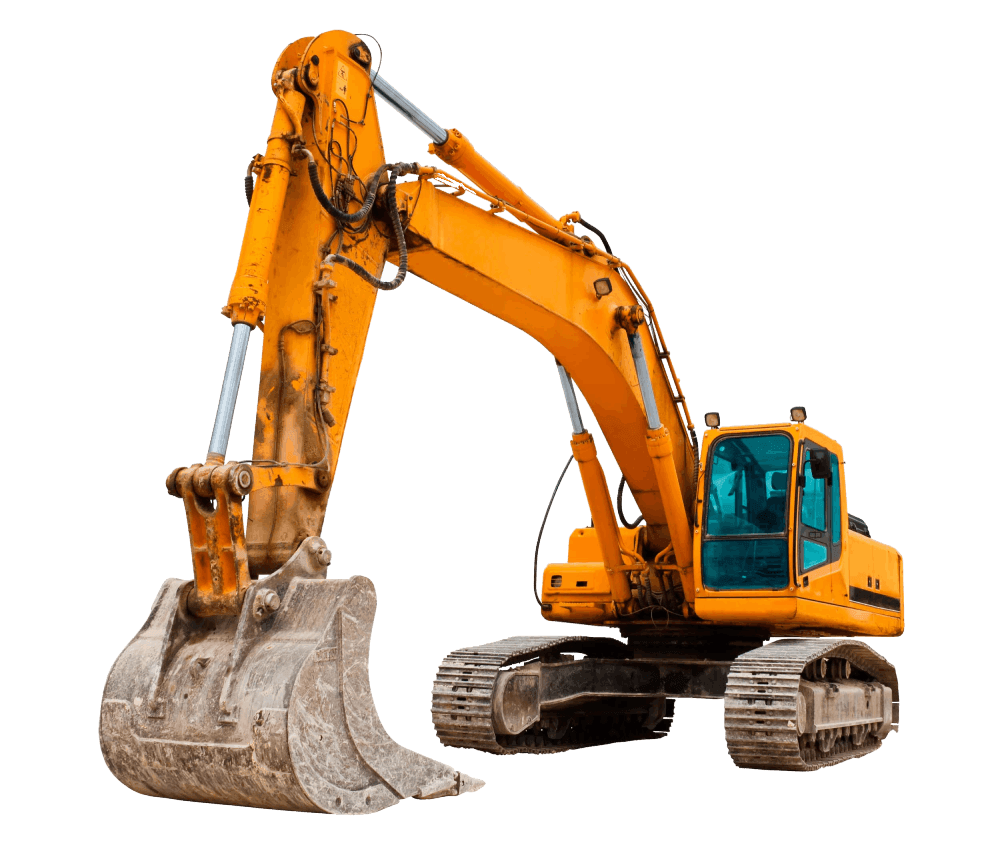
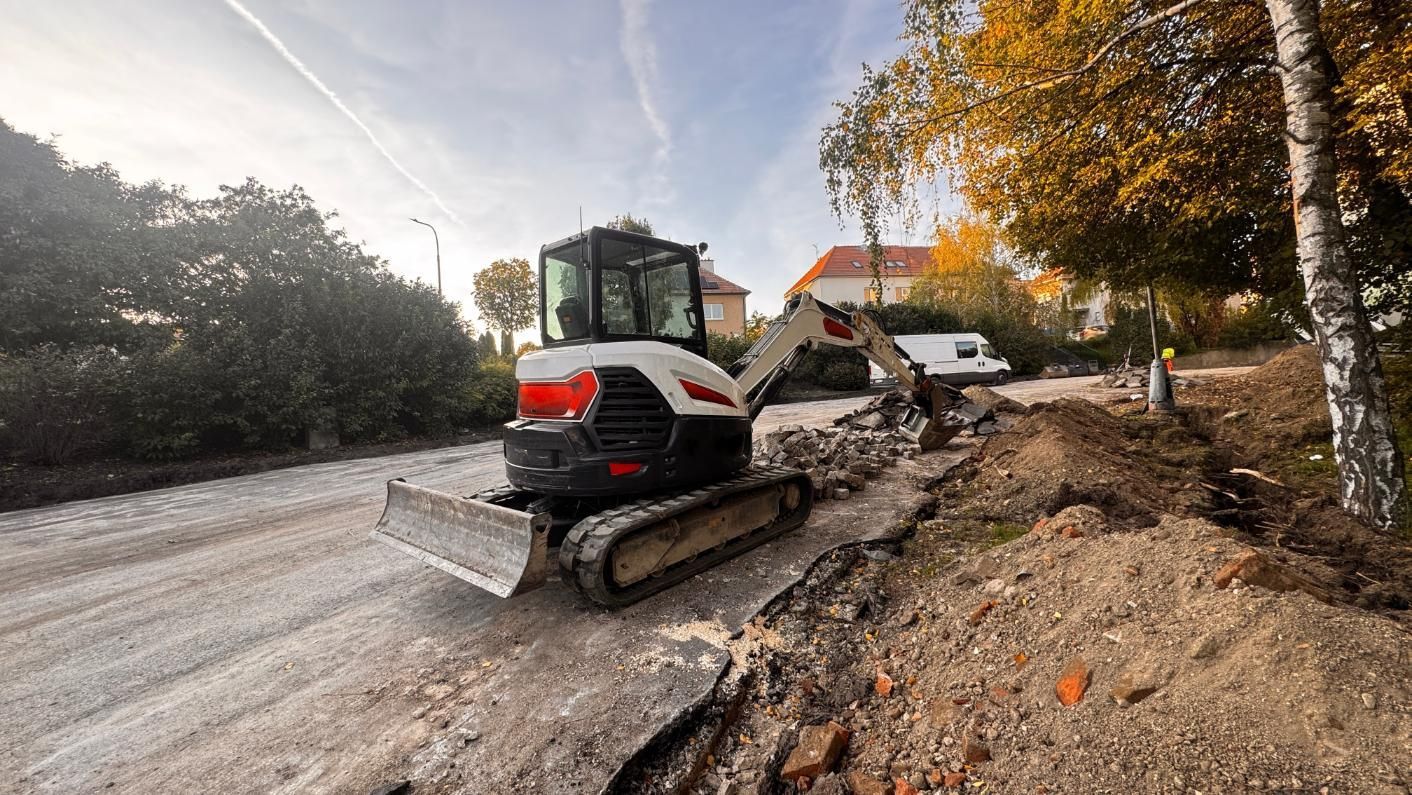
Overview of Residential Grading and Excavation in Colfax, CA
Residential grading and excavation in Colfax, CA involves preparing land for home construction by reshaping the terrain, removing unsuitable soil, and creating stable ground conditions for foundations, driveways, and surrounding structures. Pruss Randy Excavation provides residential earthwork services that support new home builds, property expansions, and site improvements across varied terrain conditions found throughout Colfax, CA.
The natural landscape in this region often includes sloped lots, rocky ground, and uneven soil composition. These conditions require controlled excavation and precise grading to ensure that residential construction begins on a stable and properly engineered surface. The goal of residential grading and excavation is to transform raw land into a build-ready site that supports structural integrity and proper drainage.
Every residential project begins with understanding how the land behaves under excavation and how it will support long-term construction loads. Proper grading ensures that the home site is level where needed, sloped where required for drainage, and compacted to reduce future settling.
Site Evaluation and Residential Layout Preparation
Before excavation begins, the property is carefully evaluated to determine how the land should be shaped for residential development.
Home Site Layout Marking
The footprint of the future home, driveway, and surrounding structures is marked on the property. This establishes the boundaries for excavation and grading work.
Natural Slope and Elevation Analysis
Existing slopes and elevation changes are reviewed to determine how the land will be reshaped. In Colfax, CA, many residential lots require significant adjustment due to uneven terrain.
Soil Condition Assessment
Soil composition and stability are evaluated to determine how much material needs to be removed or compacted. This helps establish the foundation depth and grading approach.
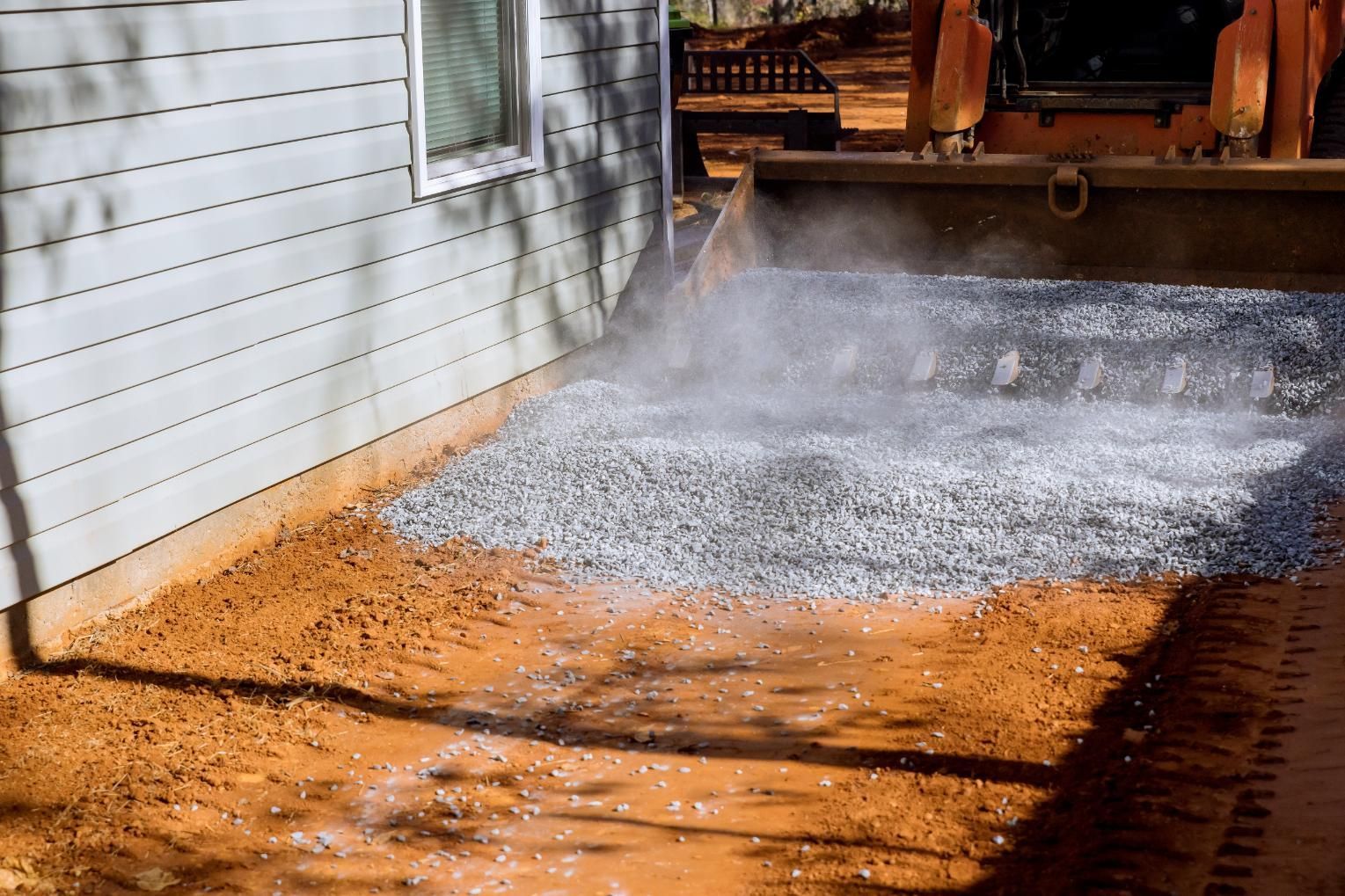
Residential Excavation for Home Construction
Once the site is evaluated and marked, excavation begins to prepare the land for residential building structures.
Foundation Area Excavation
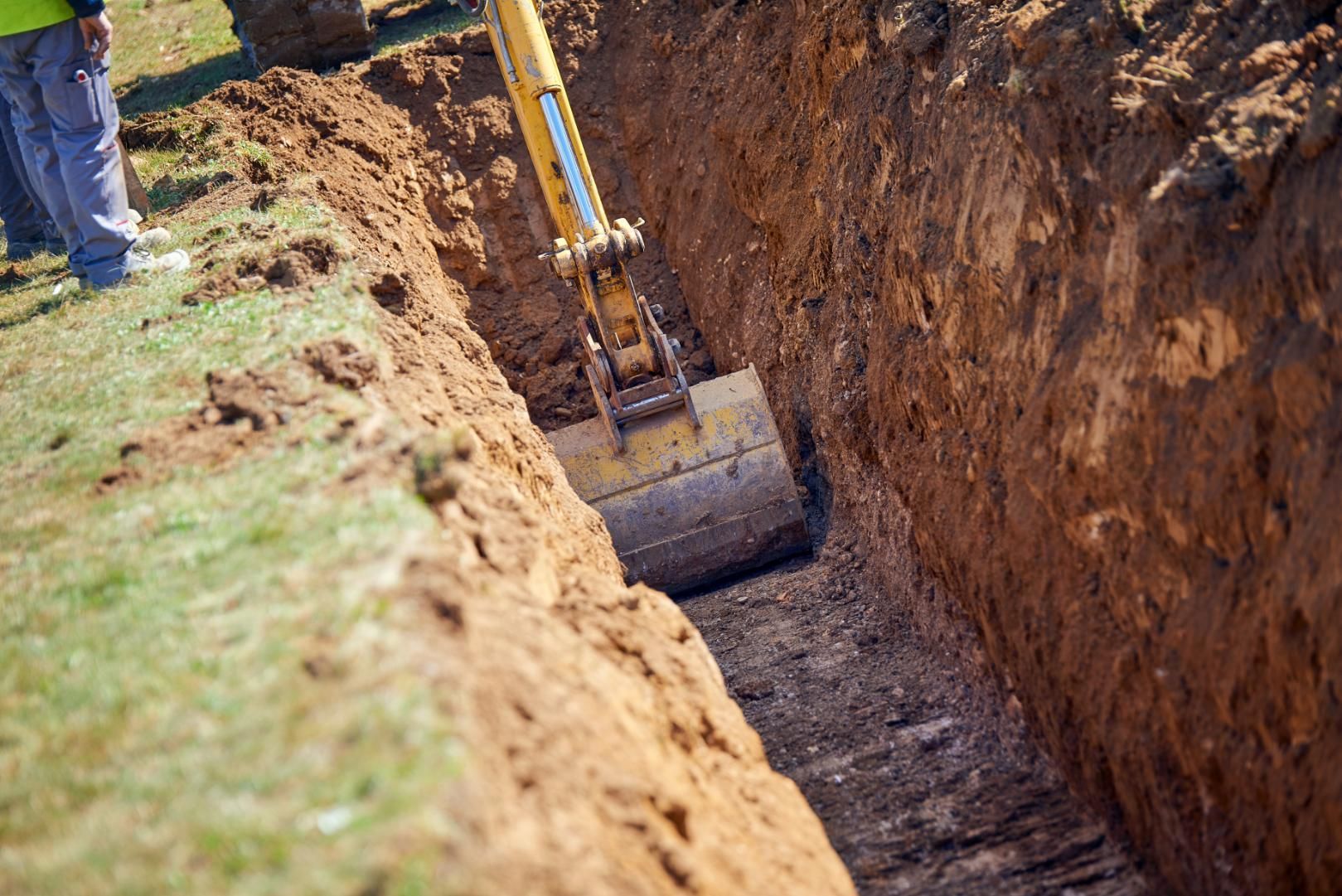
The home’s footprint is excavated to the required depth for foundation installation. This includes removing topsoil, unstable material, and any obstructions that may affect structural support.
Utility and Access Excavation
Areas designated for utilities such as water lines, electrical conduits, and sewer connections are excavated to allow proper installation during construction.
Driveway and Access Path Excavation
Access routes for construction equipment and future residential driveways are cut and shaped to ensure safe and functional entry to the property.
Obstruction Removal
Rocks, roots, and buried debris are removed during excavation to create a clean and stable working surface for grading and construction.
Rough Grading and Land Reshaping
After excavation, rough grading is performed to begin shaping the land into its intended residential form.
Cut and Fill Grading
High areas of the property are cut down while low areas are filled to create a more even and usable building surface.
Terrain Reshaping for Home Placement
The land is shaped to accommodate the home’s position, ensuring proper elevation relative to surrounding land and access points.
Initial Surface Leveling
The surface is roughly leveled to create a consistent base for further fine grading and foundation preparation.
Fine Grading and Subgrade Preparation
Fine grading ensures that the residential site meets precise elevation and compaction requirements before construction begins.
Final Surface Smoothing
The graded surface is refined to remove irregularities and ensure a smooth, even base for foundation work and flatwork installation.
Subgrade Compaction
Soil is compacted to increase density and reduce future shifting or settling beneath the home structure.
Drainage Slope Formation
Subtle slopes are incorporated into the grading design to direct water away from the home foundation and surrounding structures.
Drainage Planning and Soil Stability Management
Proper drainage is a critical part of residential grading and excavation in Colfax, CA due to seasonal rainfall and hillside runoff conditions.
Surface Water Flow Design
The land is shaped to control how water moves across the property, preventing pooling near foundations and access areas.
Erosion Control Shaping
Grading is designed to reduce erosion on slopes and exposed soil areas by controlling water speed and direction.
Long-Term Soil Stability Considerations
Soil compaction and grading techniques are applied to maintain long-term ground stability beneath residential structures.
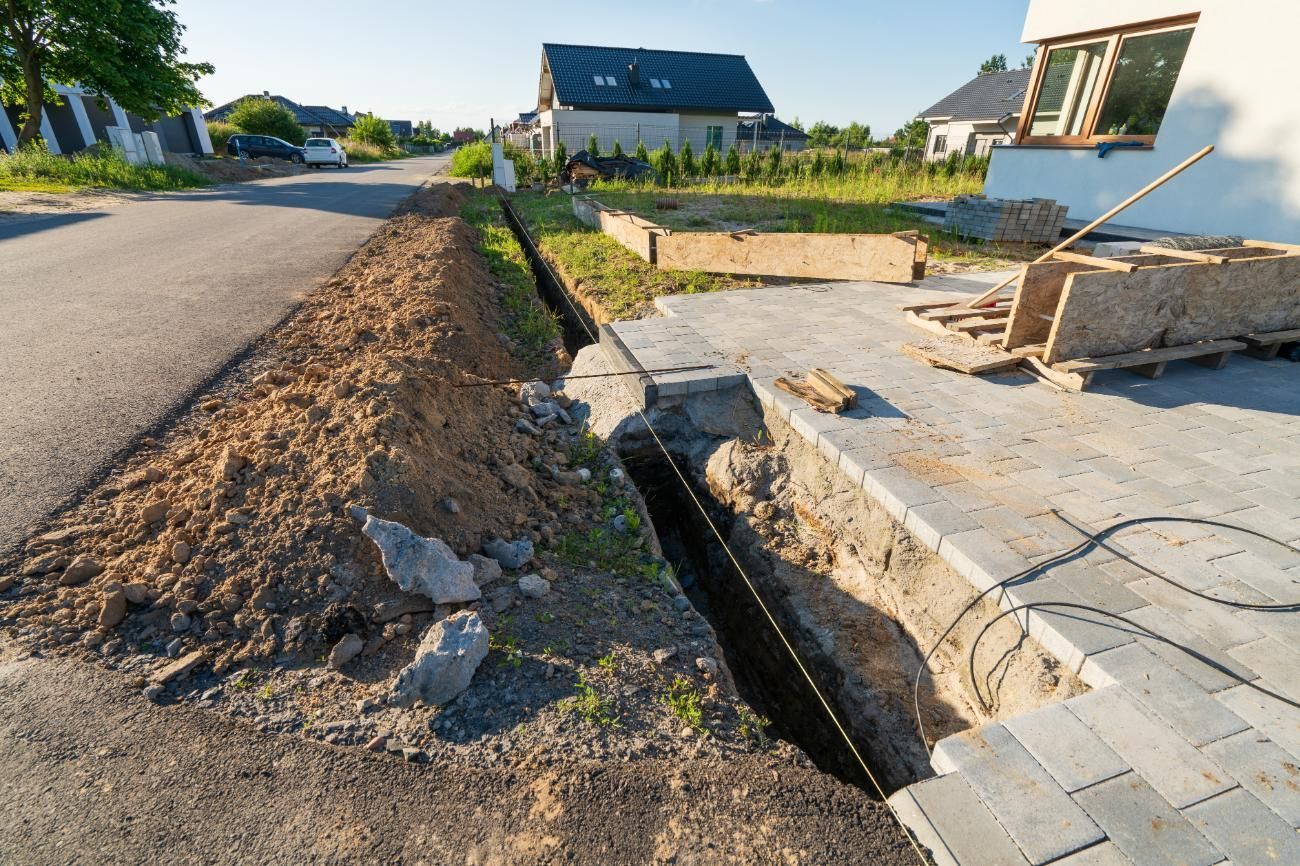
Final Residential Site Preparation
Once grading and excavation are complete, the site is prepared for construction to begin.
Foundation Readiness Verification
The home site is checked for correct depth, compaction, and alignment to ensure readiness for foundation installation.
Access and Construction Path Preparation
Driveways and equipment access routes are finalized to support construction traffic and material delivery.
Site Completion Condition
The property is left in a stable, graded, and construction-ready condition, prepared for the next phase of residential building work.