
Trenching and Utilities in Colfax, CA – Pruss Randy Excavation
Serving Colfax, CA and surrounding areas
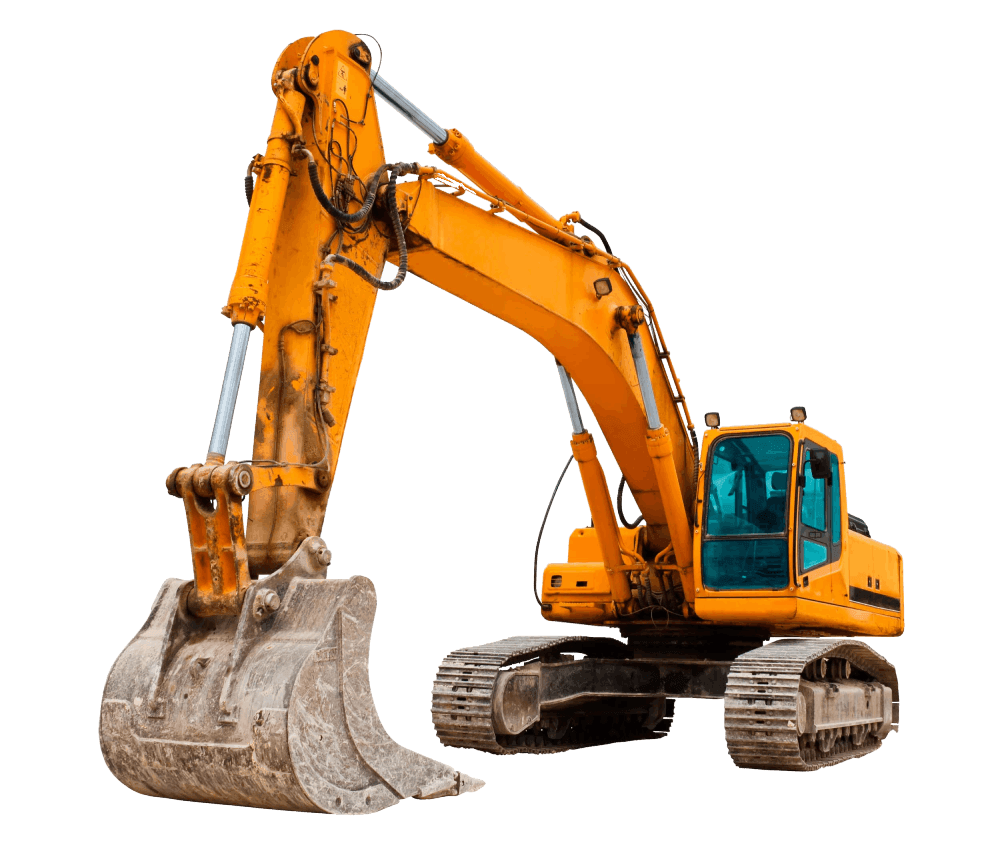
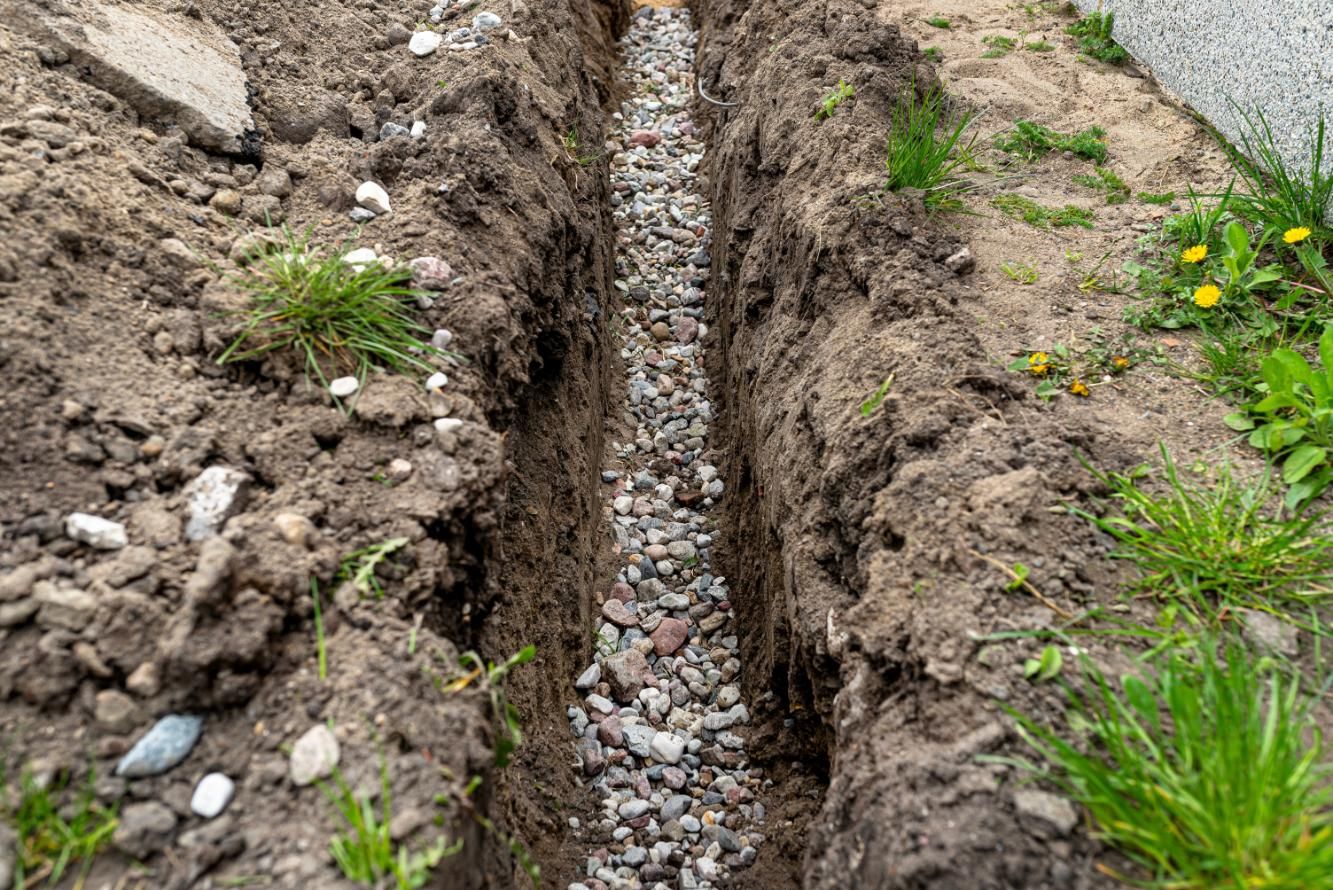
Overview of Trenching and Utility Excavation in Colfax, CA
Trenching and utility excavation in Colfax, CA involves the precise removal of soil to create channels for underground utility systems. These systems may include water lines, sewer lines, electrical conduits, drainage pipes, and communication infrastructure. Pruss Randy Excavation provides trenching work designed to support safe and functional installation of these essential utility systems across residential, commercial, and rural properties in the Colfax region.
The terrain in Colfax, CA often includes a combination of rocky soil, uneven elevations, and compacted ground conditions, all of which influence how trenches must be planned and executed. Proper trenching requires controlled excavation depth, accurate alignment, and careful soil handling to ensure that utility lines are installed according to project specifications.
Utility trenching is not only about digging channels into the ground. It involves structured excavation methods that account for soil stability, surrounding structures, and the long-term performance of the installed utilities. Each trench must be shaped to accommodate both the utility line and the necessary bedding materials that support its placement.
Utility Trench Planning and Site Layout
Before excavation begins, trenching projects in Colfax, CA require detailed planning and layout marking. This stage ensures that underground utilities are placed accurately and aligned with existing infrastructure or new construction designs.
Utility Path Mapping
The planned route of each utility line is identified and marked on the site. This includes determining entry and exit points, directional changes, and connection areas for water, sewer, electrical, or conduit systems.
Depth and Grade Determination
Each utility type requires specific depth levels and slope conditions. Sewer lines, for example, require consistent downward grading to maintain flow, while electrical conduits may follow different depth standards depending on installation requirements.
Site Condition Evaluation
The ground is reviewed for obstacles such as rock formations, root systems, or compacted soil layers. These conditions influence trenching methods and equipment selection to ensure accurate and controlled excavation.
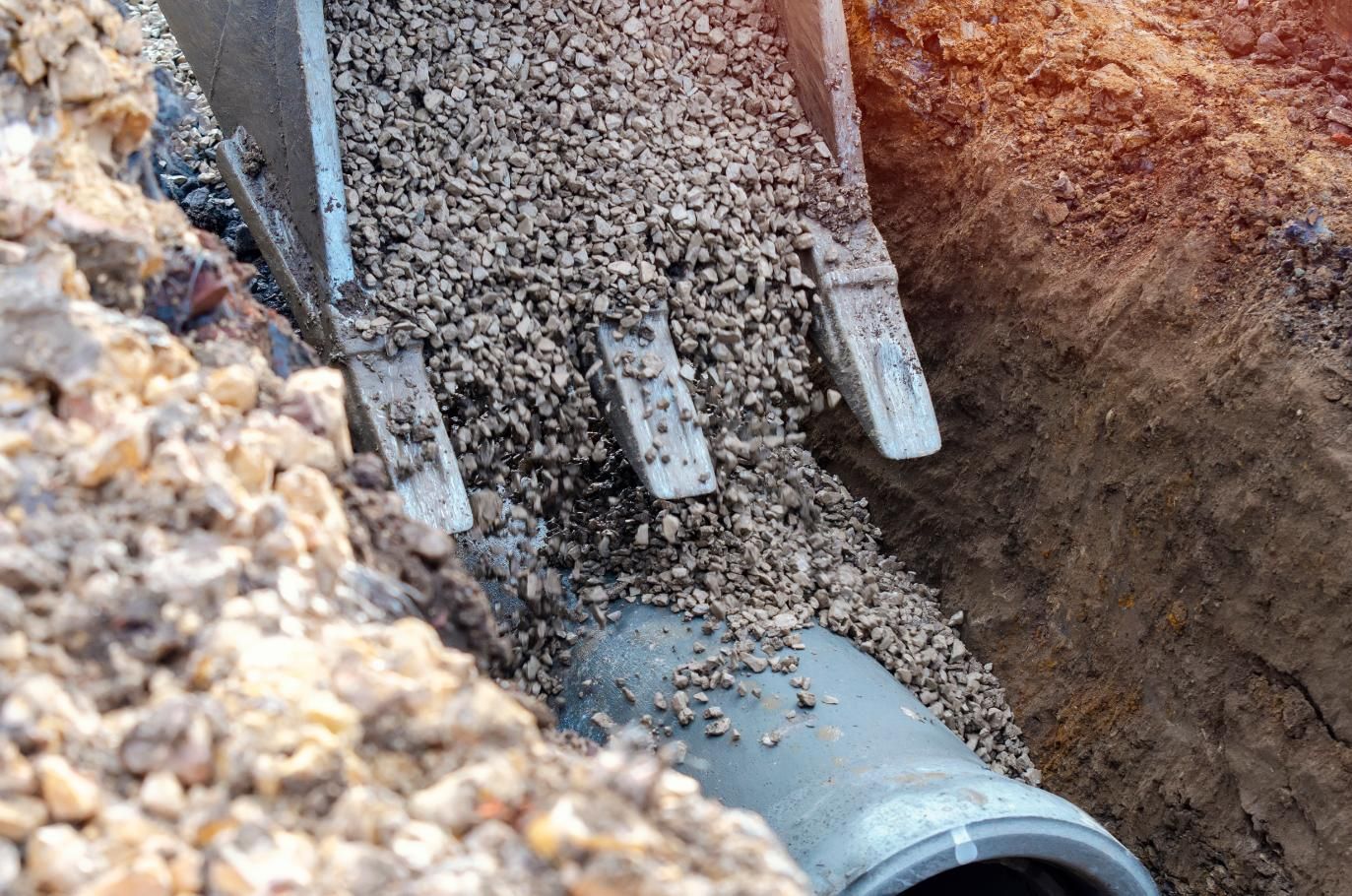
Excavation for Utility Installation
Once planning is complete, excavation begins to create trenches that match the required specifications for each utility system. In Colfax, CA, this step often involves adapting to mixed soil conditions and variable terrain.
Water Line Trenching
Water line trenches are excavated to precise depths to protect pipes from external pressure and temperature changes. The trench must maintain a consistent grade to ensure proper water flow from the source to the destination.
Sewer Line Excavation
Sewer trenching requires careful attention to slope consistency. The excavation must support gravity-based flow systems, meaning even minor deviations in depth or angle can affect performance.
Electrical and Conduit Trenching
Electrical trenches are designed to house protective conduits that shield wiring from soil movement and external pressure. These trenches are typically narrower but require precise alignment to ensure safe routing.
Drainage and Utility Integration Trenches
Some projects require combined trenching for multiple utility systems. These are excavated with separation layers or individual channels to prevent interference between systems while maintaining efficient land use.
Bedding, Pipe Placement, and Backfilling Preparation
After trench excavation, the focus shifts to preparing the trench for utility installation and ensuring long-term stability of the buried systems.
Trench Bedding Preparation
A bedding layer is placed at the base of the trench to support pipes and conduits. This material helps reduce pressure points and prevents direct contact between utility lines and native soil.
Utility Line Placement Support
Once the trench is prepared, utility lines are positioned according to project specifications. Proper alignment ensures that systems function correctly and remain protected after backfilling.
Controlled Backfilling Process
Backfilling is performed in stages to gradually secure the utility lines. Soil is placed in layers and compacted to reduce air pockets and prevent future settling or shifting around the installed utilities.
Soil Compaction and Trench Stabilization
Trench stability is a critical part of utility installation in Colfax, CA, where soil conditions can vary significantly across different properties. Proper compaction ensures that trenches maintain their structural integrity over time.
Layered Soil Compaction
Backfilled soil is compacted in controlled layers rather than all at once. This helps maintain consistent density and reduces the risk of ground movement around buried utilities.
Surface Level Restoration
After compaction, the trench surface is restored to match surrounding ground levels. This includes smoothing, grading, and ensuring that no visible depressions remain along the trench path.
Long-Term Settlement Control
Proper compaction techniques help reduce the likelihood of future settling, which could otherwise affect utility performance or surface stability above the trench.
Coordination with Utility Requirements and Site Conditions
Utility trenching projects must align with technical specifications and site-specific conditions to ensure proper installation and system functionality.
Utility Specification Alignment
Each utility system has defined requirements for depth, spacing, and protective measures. Trenching work is carried out to match these specifications to support system reliability.
Environmental and Ground Considerations
Soil composition, moisture levels, and underground obstructions are considered throughout the excavation process. These factors influence trench stability and installation methods.
Integration with Existing Infrastructure
In developed areas of Colfax, CA, trenching often involves working around existing utility lines or structures. Careful excavation is required to avoid disruption to active systems.
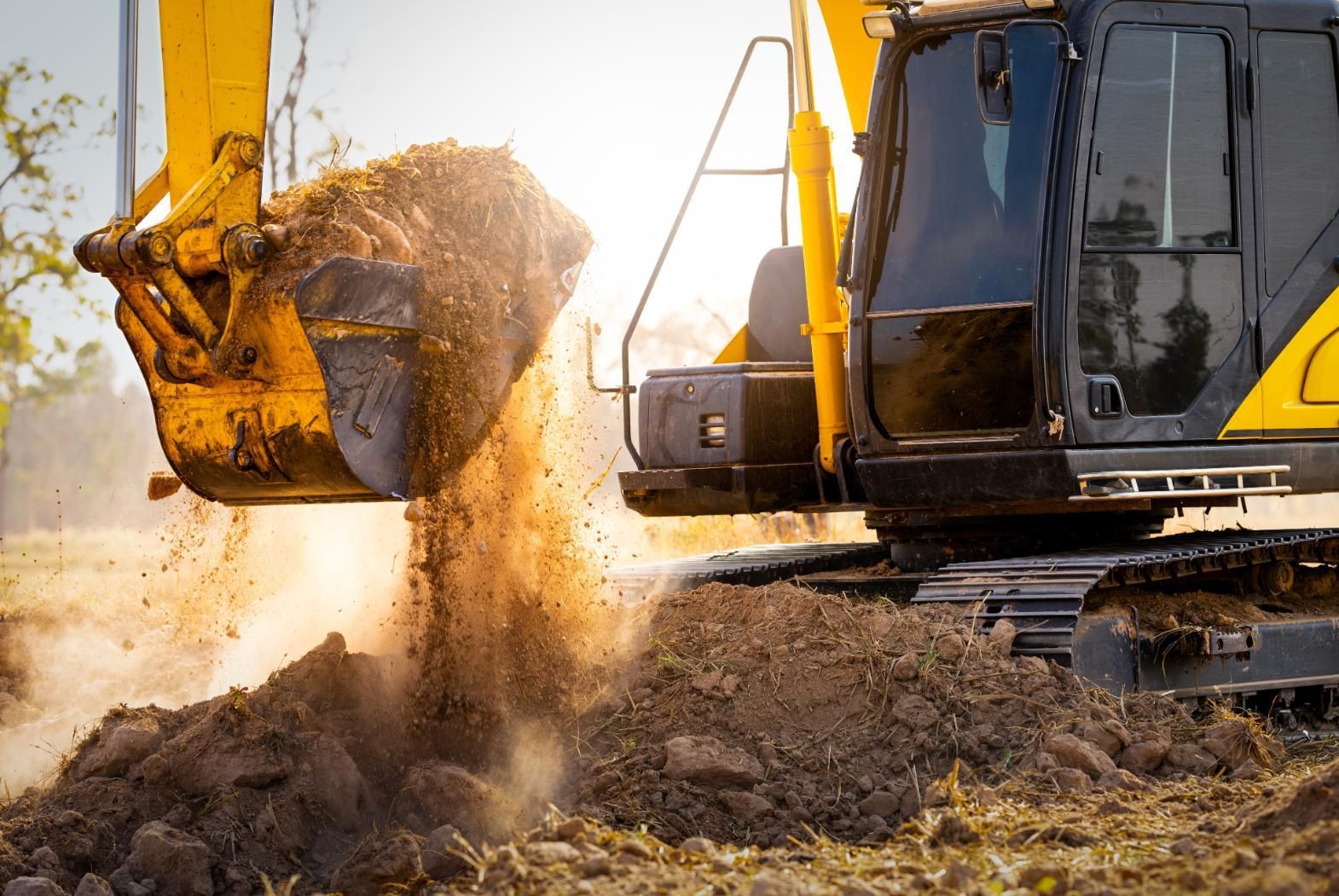
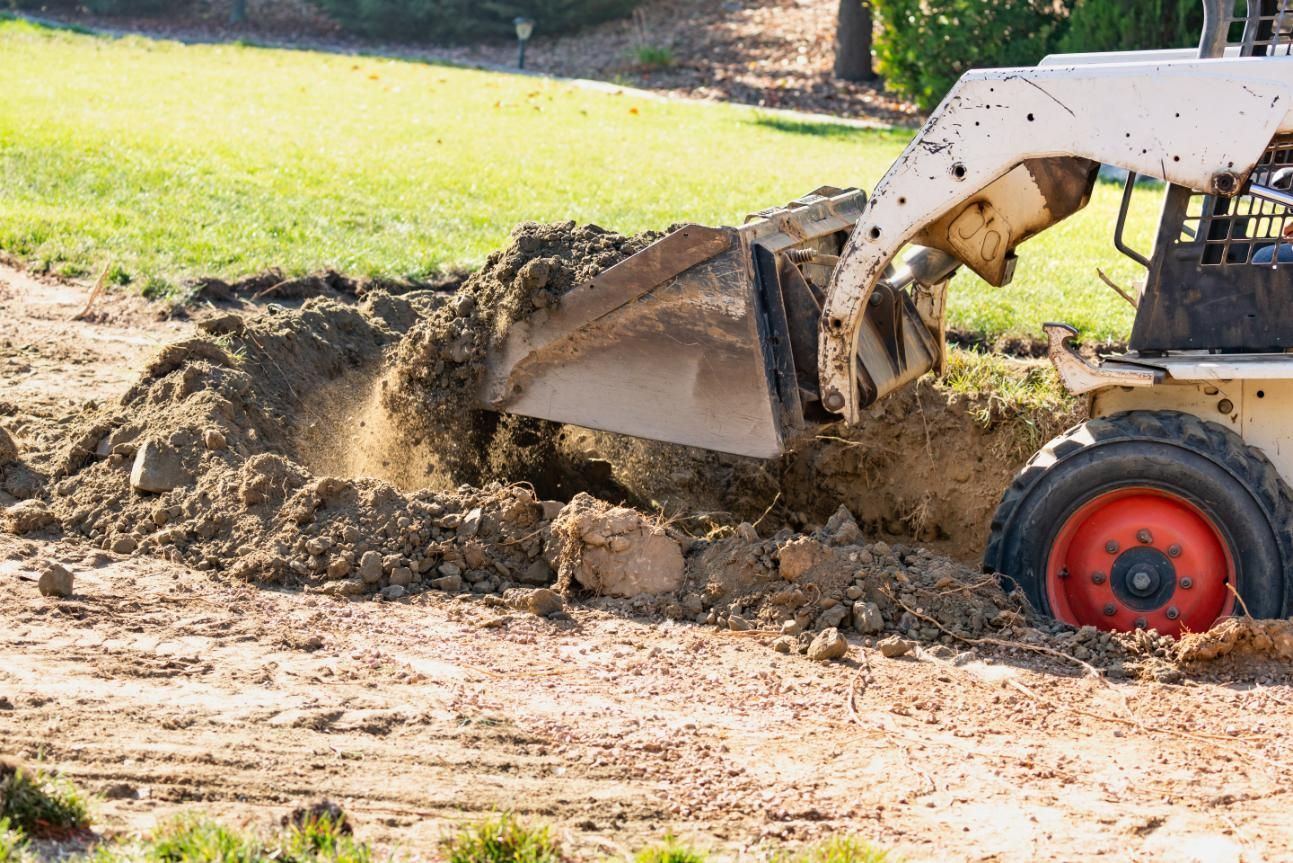
Final Trench Completion and Site Restoration
Once utilities are installed and trenches are backfilled, the final stage focuses on restoring the site to a stable and usable condition.
Surface Regrading and Smoothing
The ground surface is regraded to eliminate uneven areas created during excavation. This ensures a uniform appearance and prepares the site for future construction or landscaping.
Final Inspection Preparation
Trench areas are reviewed to confirm that backfilling, compaction, and surface restoration meet project requirements and installation standards.
Site Cleanup and Stabilization
Remaining excess soil and debris are cleared from the site, leaving the area stabilized and ready for its intended use or next phase of construction.