
Septic Systems Installation in Colfax, CA – Pruss Randy Excavation
Serving Colfax, CA and surrounding areas

Overview of Septic System Installation in Colfax, CA
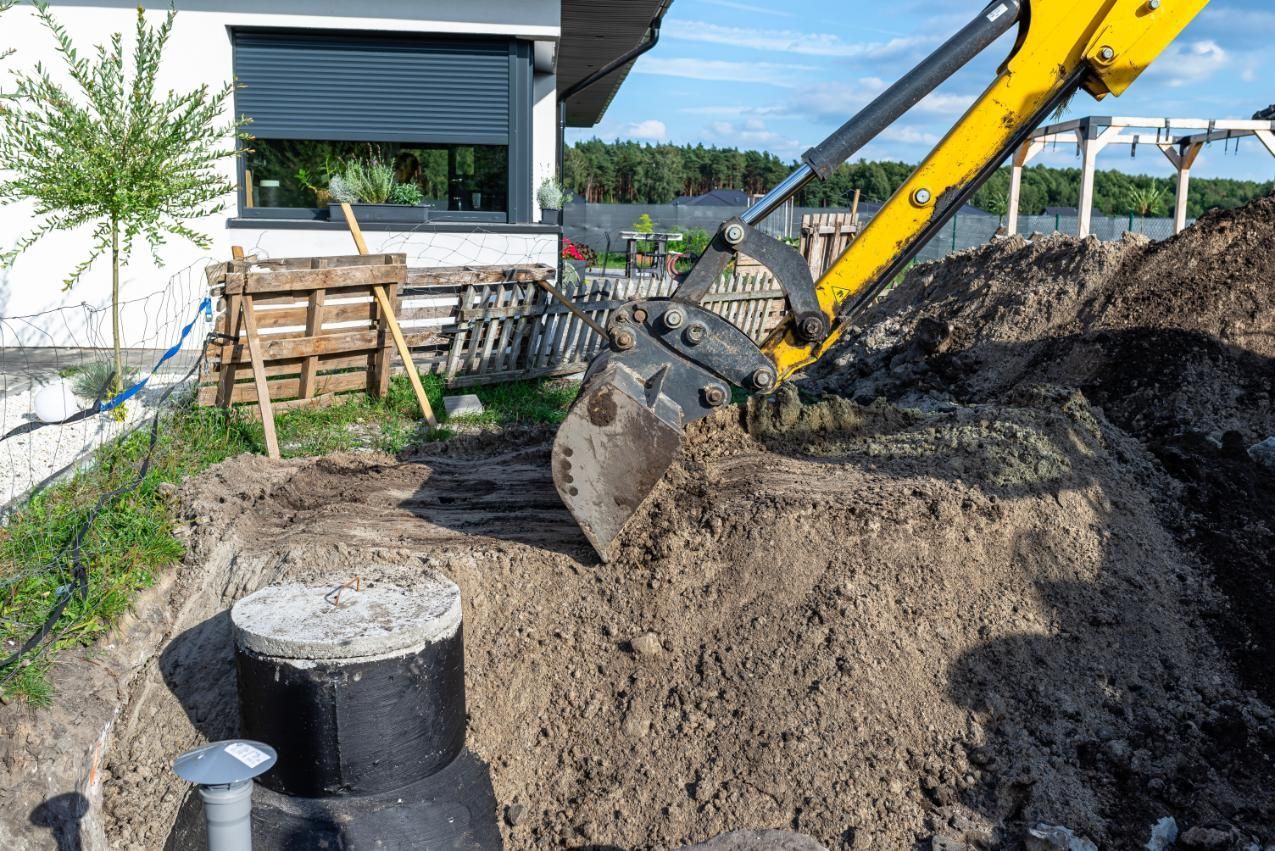
Septic systems installation in Colfax, CA involves excavation and site preparation work required to properly place and support an on-site wastewater treatment system. These systems are essential for properties that are not connected to municipal sewer networks, and they rely heavily on correct placement, soil conditions, and drainage performance. Pruss Randy Excavation provides excavation services that prepare the land for septic tanks, leach fields, distribution lines, and associated system components.
In Colfax, CA, soil conditions and terrain variation play a major role in how septic systems are installed. Rocky soil, sloped properties, and areas with limited absorption capacity require careful planning and precise excavation to ensure proper system function. A correctly installed septic system depends not only on the tank itself but also on the surrounding soil’s ability to handle and filter wastewater through the leach field.
Septic installation work begins long before any digging takes place. It requires understanding site conditions, system layout requirements, and drainage behavior to ensure that all components function together efficiently once installed.
Site Evaluation and Septic System Layout
Before excavation begins, the property is evaluated to determine the most suitable location for the septic system components.
Soil Absorption Assessment
Soil conditions are reviewed to determine how well the ground can absorb and filter wastewater. This influences the placement and size of the leach field area.
System Layout Design Support
The locations of the septic tank, distribution lines, and drain field are marked based on engineered system design and property layout constraints.
Elevation and Drainage Review
Natural slope and water flow direction are analyzed to ensure that the system operates using gravity where possible and avoids areas prone to pooling or runoff interference.
Excavation for Septic Tanks and Components
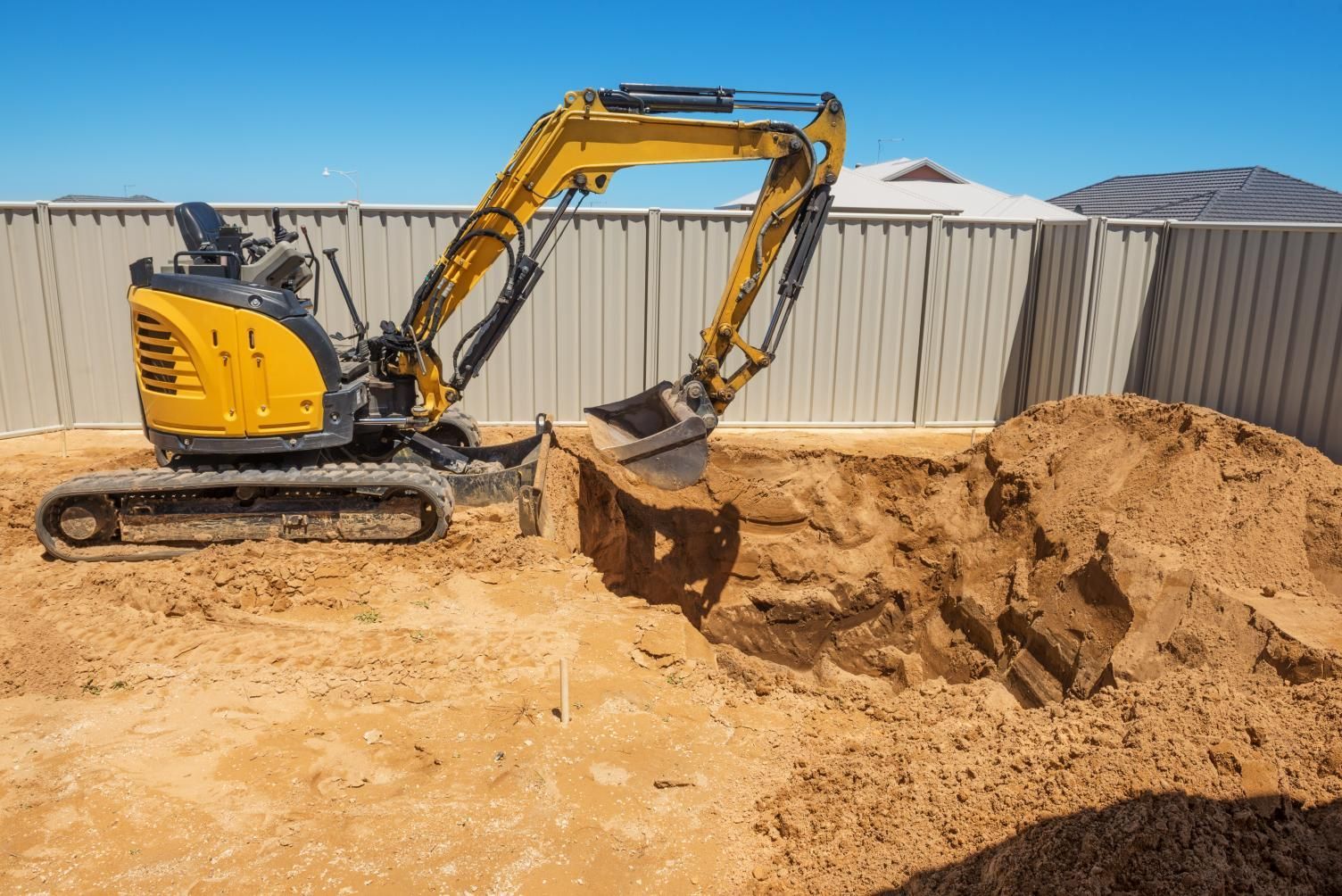
Once the layout is established, excavation begins for the installation of the septic system components. Each part of the system requires precise depth and positioning.
Septic Tank Excavation
A deep excavation is created to accommodate the septic tank. The hole must be properly sized to allow for tank placement, leveling, and backfilling support.
Distribution Box and Line Trenches
Shallow trenches are excavated for distribution lines that carry wastewater from the tank to the leach field. These trenches must maintain consistent slope for proper flow.
Leach Field Excavation
The leach field area is excavated with carefully spaced trenches or beds designed to allow wastewater to disperse evenly into the surrounding soil.
Obstruction Removal During Digging
Rocks, roots, and compacted soil layers are removed during excavation to ensure proper installation depth and system performance.
Soil Conditioning and Drain Field Preparation
The performance of a septic system in Colfax, CA depends heavily on the condition of the soil surrounding the leach field.
Soil Structure Preparation
The soil within the leach field area is shaped and prepared to allow consistent wastewater absorption without clogging or pooling.
Gravel and Bedding Support
Gravel layers or drainage bedding are placed within trenches to improve filtration and maintain proper spacing around distribution pipes.
Compaction Control
Soil compaction is carefully managed in drain field areas to avoid restricting wastewater movement while maintaining structural stability.
Tank Placement and System Alignment Support
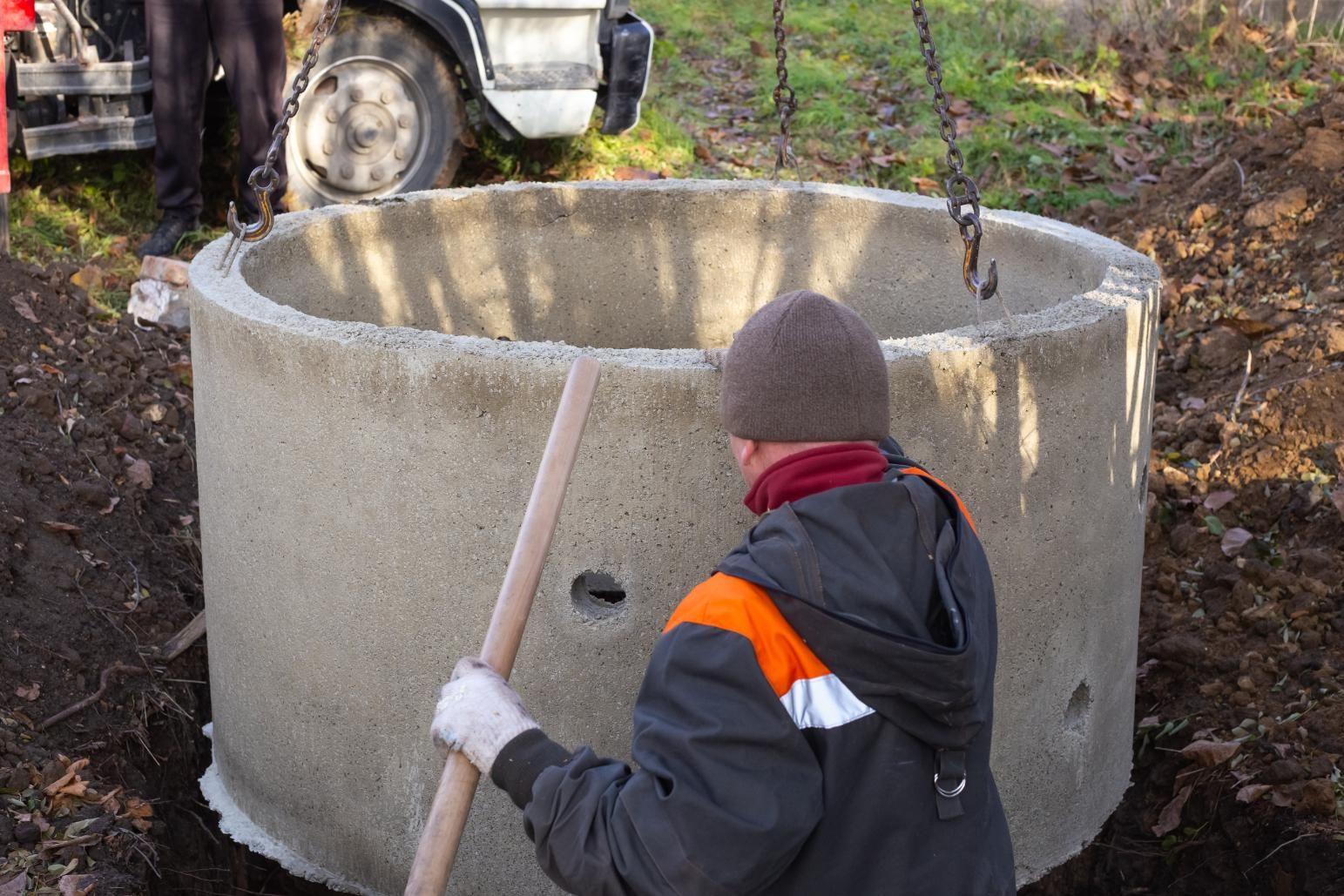
After excavation, the septic system components are carefully positioned and aligned according to design specifications.
Tank Positioning Support
The excavated area is prepared to allow accurate placement of the septic tank so that it remains level and properly supported.
Pipe and Line Alignment
Distribution pipes are aligned within trenches to ensure consistent flow from the tank to the leach field without blockages or flow disruption.
Connection Point Preparation
Areas where pipes connect between system components are shaped and stabilized to ensure secure and long-lasting connections.
Backfilling and System Protection
Once septic components are installed, the excavation areas are backfilled and stabilized to protect the system and restore the site surface.
Controlled Backfilling Process
Soil is placed around the tank and pipes in layers to prevent shifting or damage to system components during coverage.
Compaction Around Components
Backfill material is compacted carefully around installed structures while avoiding excessive pressure on pipes or tanks.
Surface Restoration
The ground surface is leveled after backfilling to match surrounding grades and prepare the site for final landscaping or further construction.
Drainage and Long-Term System Performance Considerations
Proper drainage is essential to ensure that septic systems in Colfax, CA continue functioning efficiently over time.
Surface Water Diversion
The surrounding ground is shaped to direct rainwater away from septic system components, reducing the risk of saturation or system overload.
Subsurface Flow Awareness
Soil conditions are managed to ensure that natural underground water movement does not interfere with wastewater absorption.
Erosion Control in System Areas
Sloped areas around the septic installation are stabilized to prevent erosion from exposing or damaging buried components.
Final Septic Installation Readiness
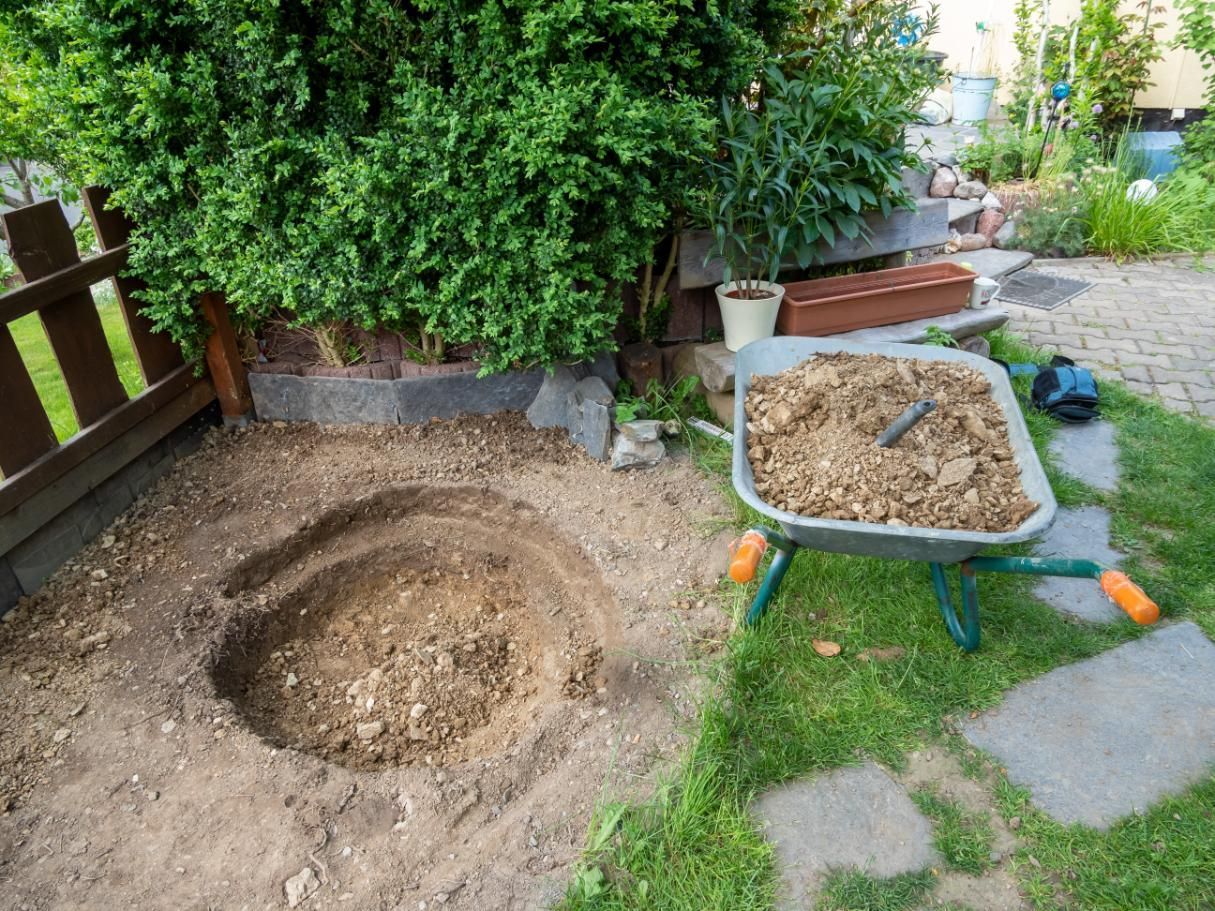
After excavation, installation, and backfilling, the site is prepared for inspection and long-term system use.
System Alignment Verification
The placement of tanks, pipes, and drain fields is checked to ensure accuracy and compliance with design specifications.
Ground Stability Check
Backfilled areas are inspected for stability and compaction to reduce the risk of settling around system components.
Site Completion Condition
The property is left in a stable condition, with the septic system fully installed and the surface prepared for natural use or additional landscaping.